Explore One of California’s Most Extraordinary Landscapes
Located within the heart of the Eastern Sierra region, Death Valley National Park is home to some of the most dramatic landscapes in North America. Towering mountain ranges, colorful badlands, massive sand dunes, salt flats, and scenic desert roads attract visitors from around the world throughout the cooler months of the year.
Whether you’re planning a weekend road trip from Southern California or adding Death Valley to a larger Highway 395 adventure, these are some of the park’s most iconic destinations.
1. Badwater Basin
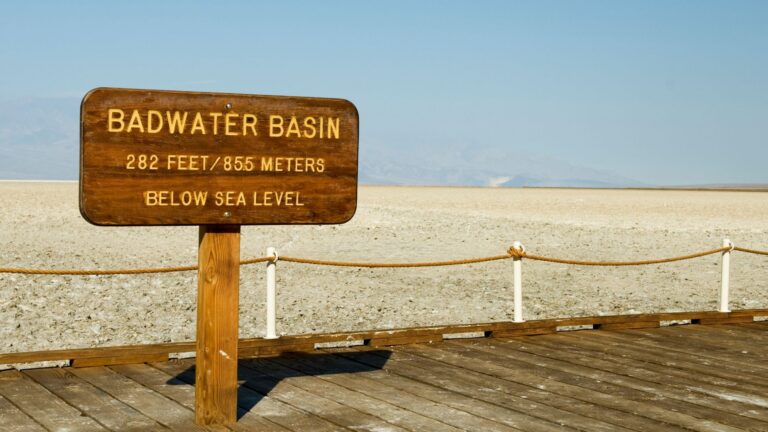
One of the most famous locations in Death Valley, Badwater Basin marks the lowest point in North America at 282 feet below sea level.
The massive salt flats stretch across the valley floor beneath the Black Mountains, creating one of the most recognizable landscapes in the American Southwest. Visitors can walk out onto the salt flats, explore the polygon-shaped salt formations, and experience the scale of the surrounding desert basin.
Sunrise and sunset are especially popular times to visit thanks to cooler temperatures and dramatic lighting across the valley floor.
2. Zabriskie Point
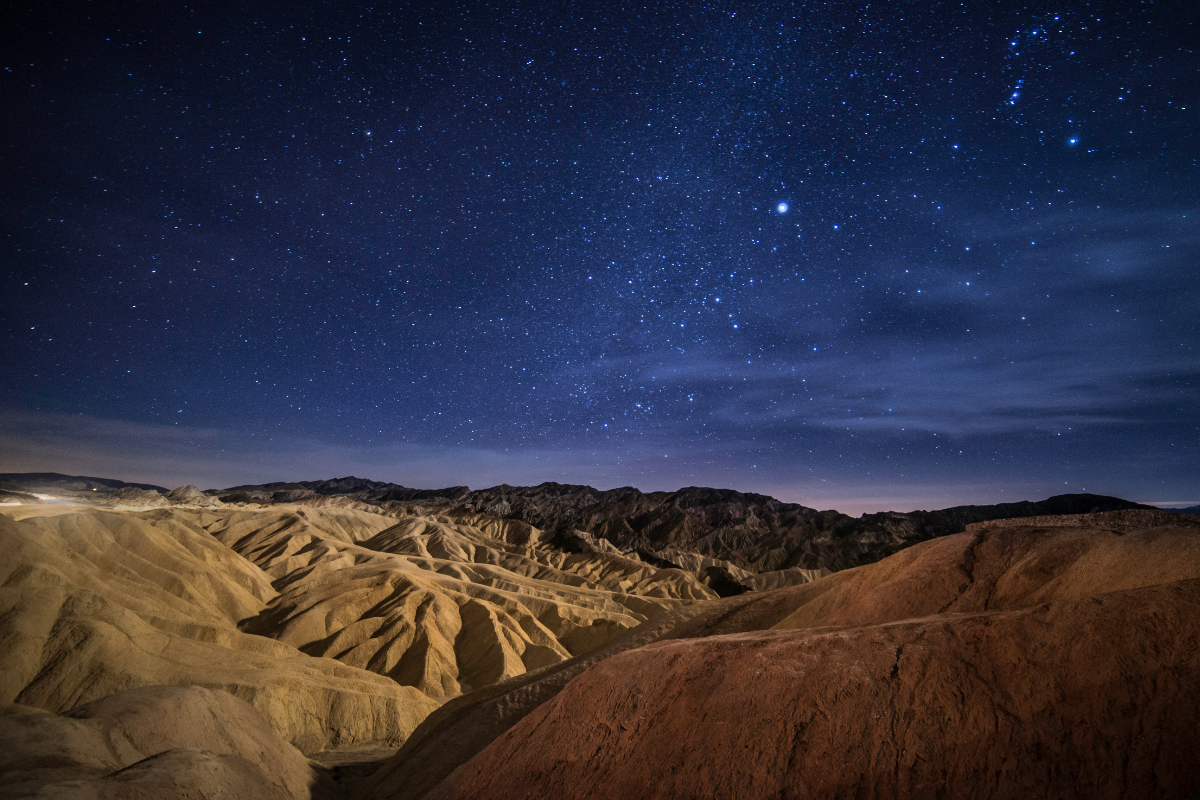
Zabriskie Point is one of the most photographed viewpoints in Death Valley National Park.
Located near Furnace Creek, the overlook offers sweeping views of colorful badlands, eroded ridges, and layered desert terrain shaped over millions of years. The landscape becomes especially dramatic during sunrise and sunset as shadows move across the hills and canyons.
The viewpoint is easily accessible and remains a must-stop destination for first-time visitors exploring Death Valley.
3. Dante’s View
Perched high above the valley floor, Dante’s View offers one of the best panoramic viewpoints in the park.
From more than 5,000 feet above sea level, visitors can look down across Badwater Basin while snow-covered peaks often rise in the distance across the Panamint Range. The elevation difference creates one of the most dramatic scenic contrasts in California.
The winding drive to the overlook is part of the experience, especially during sunrise and sunset when changing light transforms the surrounding landscape.
4. Artist’s Palette
Located along the scenic Artists Drive route, Artist’s Palette features hillsides painted in shades of pink, green, gold, purple, and blue.
The colorful terrain was formed by volcanic deposits and mineral oxidation over millions of years, creating one of the park’s most unique geological landscapes.
Artists Drive itself is a scenic one-way route that winds through badlands and colorful desert formations near Furnace Creek, making it one of the most popular scenic drives in Death Valley.
5. Golden Canyon
Golden Canyon is one of the most popular hiking areas in Death Valley National Park.
The trail winds through narrow canyon walls and layered golden rock formations before opening into dramatic badlands scenery deeper within the park. Visitors looking for a relatively accessible desert hike often choose Golden Canyon thanks to its location near Furnace Creek and Zabriskie Point.
Spring, fall, and winter generally offer the most comfortable hiking conditions throughout the canyon.
6. Mesquite Flat Sand Dunes
The Mesquite Flat Sand Dunes are among the most iconic landscapes in Death Valley.
Located near Stovepipe Wells, the dunes feature rolling waves of sand surrounded by mountain ranges in nearly every direction. Their accessibility and dramatic scenery make them one of the park’s most visited destinations.
Visitors often explore the dunes during sunrise or sunset when cooler temperatures and low-angle light create striking textures across the sand.
The area is also popular for stargazing and night photography thanks to Death Valley’s exceptionally dark skies.
Plan Ahead for Your Visit
Death Valley National Park covers more than 3 million acres, and services can be limited depending on location and season. Visitors should carry extra water, fuel, food, and sun protection while exploring the park.
Temperatures can become extremely dangerous during late spring and summer. Fall, winter, and spring generally provide the safest and most comfortable conditions for sightseeing, hiking, and camping.
Recreate Responsibly
Help protect Death Valley’s fragile desert ecosystem by staying on designated roads and trails, packing out all trash, and respecting wildlife and sensitive habitat areas.
Before your trip, check current weather, road conditions, and park alerts with the National Park Service.