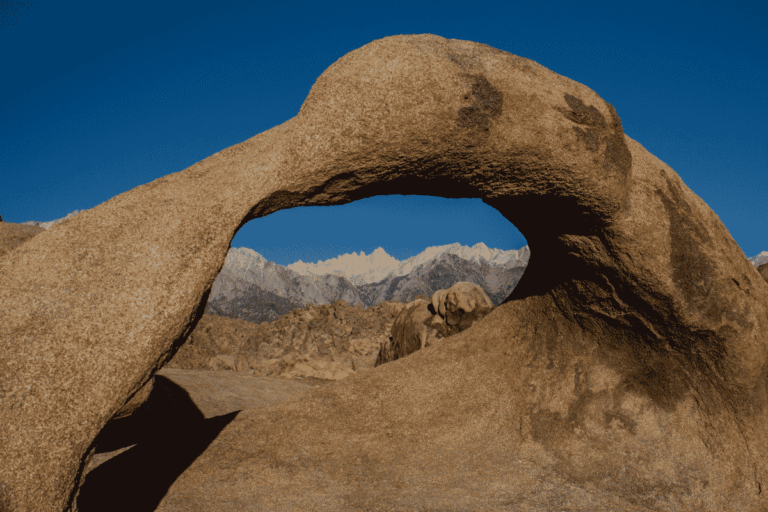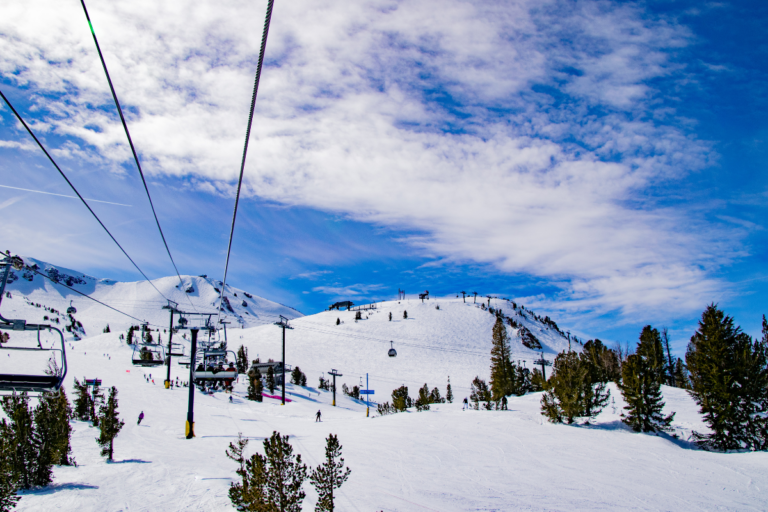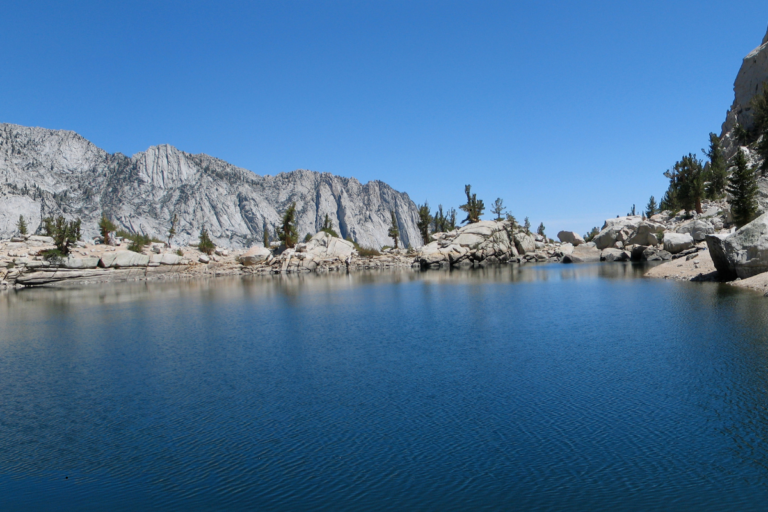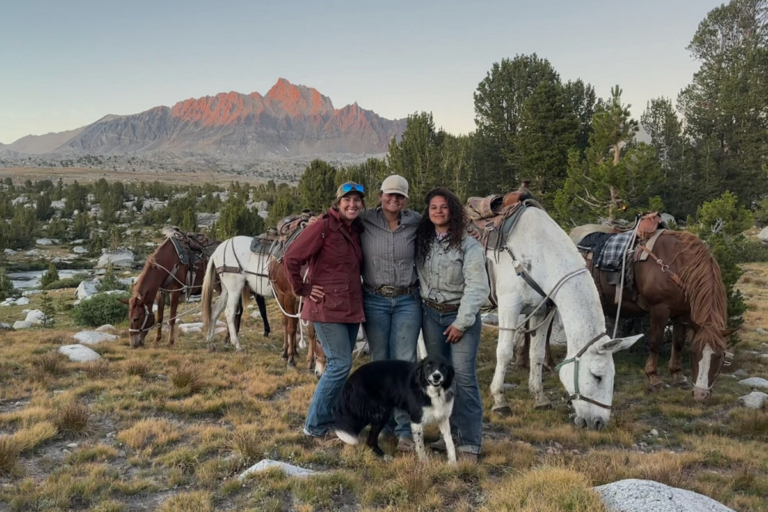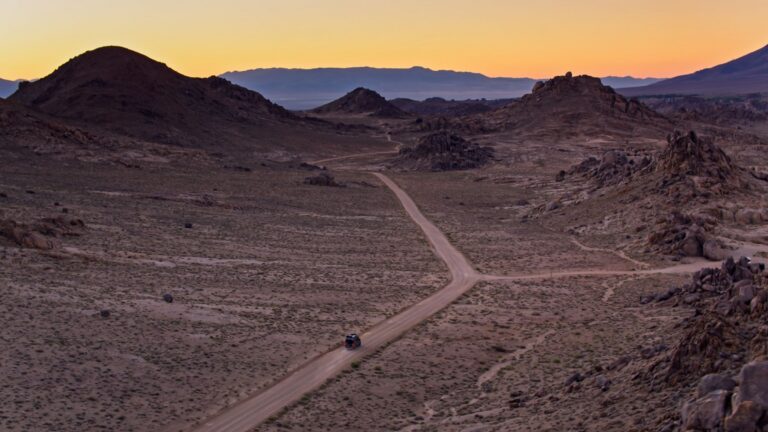
From the salt flats of Death Valley to the alpine forests of the Eastern Sierra, Inyo County is one of California’s most remarkable birding destinations. Dramatic changes in elevation—from below sea level to mountain peaks soaring above 14,000 feet—create an incredible diversity of habitats that support hundreds of resident and migratory bird species throughout the year.
Whether you’re adding species to your life list, photographing birds in the wild, or simply enjoying wildlife while exploring the outdoors, Inyo County offers exceptional bird watching opportunities in every season.
Best Birding Locations in Inyo County
Owens Lake
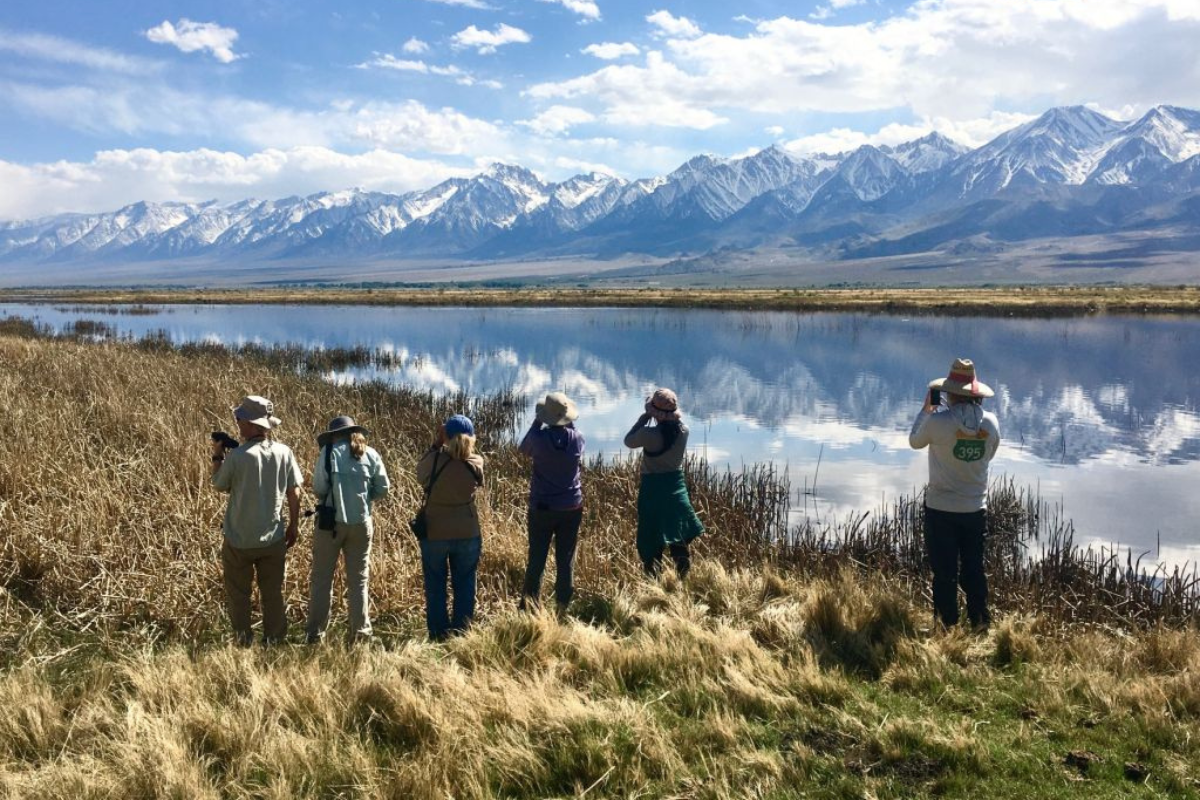
Owens Lake is one of the premier birding destinations in the American West and an internationally recognized stop along the Pacific Flyway. Seasonal wetlands attract thousands of migrating shorebirds, waterfowl, gulls, terns, and other species during the spring and fall migrations. Birders from around the world visit Owens Lake each year to experience one of California’s most significant migration corridors.
Owens River Corridor
Flowing through the Owens Valley, the Owens River provides important riparian habitat for songbirds, waterfowl, raptors, and wading birds. Cottonwood galleries, marshes, and riverside vegetation make this one of the county’s most productive year-round birding areas.
Laws Railroad Museum & Historic Site
The ponds, cottonwood trees, and open fields surrounding Laws Railroad Museum attract a wide variety of birds throughout the year. The museum also hosts the annual Owens Lake Bird Festival, one of California’s premier birding events.
Pleasant Valley Reservoir
Pleasant Valley Reservoir provides excellent opportunities to observe osprey, bald eagles, grebes, ducks, herons, and other waterbirds while enjoying spectacular views of the Sierra Nevada.
Bishop City Park & Millpond Recreation Area
These easily accessible parks provide excellent birding close to town. Woodpeckers, hummingbirds, warblers, finches, and migrating songbirds are commonly seen throughout the year.
Whitney Portal
Nestled beneath the towering granite walls of Mount Whitney, Whitney Portal offers outstanding mountain birding in a beautiful alpine setting. Pine forests, Lone Pine Creek, and granite cliffs provide habitat for Clark’s nutcrackers, mountain chickadees, Steller’s jays, mountain bluebirds, woodpeckers, and numerous high-elevation species.
Onion Valley
Rising above Independence, Onion Valley provides access to subalpine forests and alpine meadows where birders may encounter Clark’s nutcrackers, mountain chickadees, Williamson’s sapsuckers, Steller’s jays, and soaring raptors during the summer months.
Horseshoe Meadows
Located above Lone Pine, Horseshoe Meadows combines open meadows, lodgepole pine forests, and alpine habitat to create one of the Eastern Sierra’s finest mountain birding destinations. The area attracts mountain bluebirds, rosy-finches, hummingbirds, woodpeckers, and numerous migratory species.
South Lake & North Lake
These beautiful alpine lakes west of Bishop offer excellent opportunities to observe high-elevation birds while hiking or picnicking. The surrounding forests and granite landscapes support chickadees, jays, nutcrackers, woodpeckers, and raptors.
Rock Creek Canyon
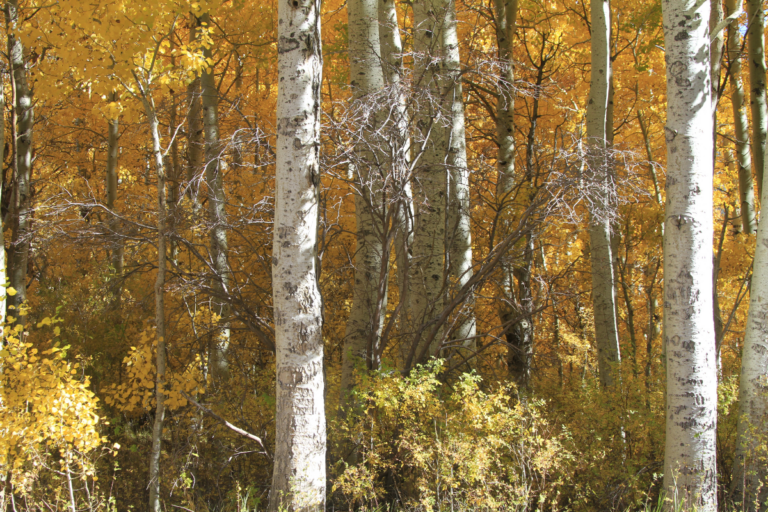
Rock Creek’s combination of flowing water, aspen groves, conifer forests, and alpine meadows creates excellent habitat for a wide variety of mountain birds throughout the summer and fall.
Ancient Bristlecone Pine Forest
One of the highest forests in North America, the Ancient Bristlecone Pine Forest supports unique high-elevation bird communities, including Clark’s nutcrackers, mountain chickadees, Steller’s jays, woodpeckers, and birds specially adapted to alpine environments.
Death Valley National Park
Despite its reputation as one of the hottest places on Earth, Death Valley supports remarkable bird diversity. Springs, oases, and desert riparian areas attract Gambel’s quail, greater roadrunners, verdins, phainopeplas, hawks, hummingbirds, and numerous migratory songbirds.
Birds You May See
Depending on the season and habitat, birders may encounter:
- Bald Eagle
- Golden Eagle
- Osprey
- Peregrine Falcon
- Great Blue Heron
- American White Pelican
- Sandhill Crane (migration)
- California Gull
- Clark’s Nutcracker
- Mountain Bluebird
- Mountain Chickadee
- Steller’s Jay
- Williamson’s Sapsucker
- Lewis’s Woodpecker
- Gambel’s Quail
- Greater Roadrunner
- Phainopepla
- Sage Thrasher
- Yellow Warblers
- Numerous ducks, geese, shorebirds, and migrating songbirds
Best Time for Bird Watching
Birding opportunities exist year-round, with each season offering unique experiences.
- Spring: Peak migration, nesting activity, wildflowers, and the Owens Lake Bird Festival make spring one of the best times to visit.
- Summer: Alpine trailheads, mountain forests, and high-country lakes become accessible, offering excellent opportunities to observe high-elevation species.
- Fall: Southbound migration fills Owens Lake, the Owens River, and valley wetlands with shorebirds, waterfowl, and raptors.
- Winter: Bald eagles, waterfowl, resident songbirds, and birds of prey make lower-elevation habitats excellent birding destinations.
Birding Tips
- Bring binoculars or a spotting scope.
- Visit early in the morning when bird activity is highest.
- Wear neutral-colored clothing and move quietly.
- Carry plenty of water, especially in desert environments.
- Dress in layers, as temperatures vary dramatically with elevation.
- Download bird identification apps or bring a regional field guide.
- Be patient—many species reveal themselves with time and quiet observation.
Owens Lake Bird Festival
Each spring, birders from across California gather for the Owens Lake Bird Festival, celebrating the region’s incredible bird diversity through guided field trips, educational programs, photography opportunities, and expert-led outings. The festival offers an excellent introduction to the world-class birding opportunities found throughout Inyo County.
Recreate Responsibly
Bird watching provides a unique opportunity to experience Inyo County’s extraordinary wildlife while helping protect the habitats birds depend on.
Stay on designated trails whenever possible, observe birds from a respectful distance, avoid disturbing nests or breeding areas, leave pets at home where required, and never use recorded bird calls in sensitive habitats during nesting season. Pack out everything you bring with you and respect seasonal closures that protect wildlife and fragile ecosystems.
By recreating responsibly, you help preserve Inyo County’s diverse habitats and ensure these remarkable birding opportunities remain available for generations to come.