Where Hollywood Met the Eastern Sierra
Few places in California blend natural beauty and film history quite like the Alabama Hills near Lone Pine.
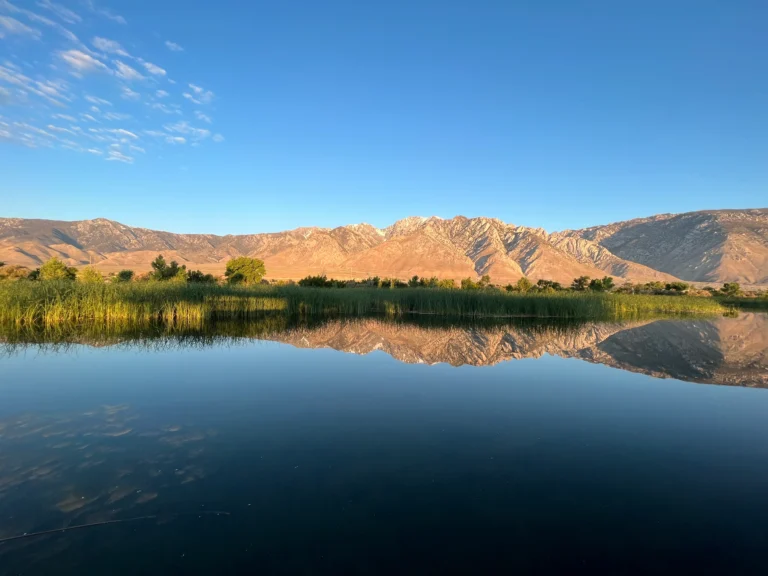
Set beneath Mount Whitney and the granite peaks of the Eastern Sierra, the Alabama Hills have served as the backdrop for hundreds of westerns, adventure films, commercials, and television productions for more than a century. Rounded rock formations, open desert roads, arches, and dramatic mountain views helped shape the visual identity of the American West long before modern CGI existed.
Today, the area remains one of the most recognizable landscapes along Highway 395 and one of the defining experiences of visiting Lone Pine.
Exploring the Alabama Hills
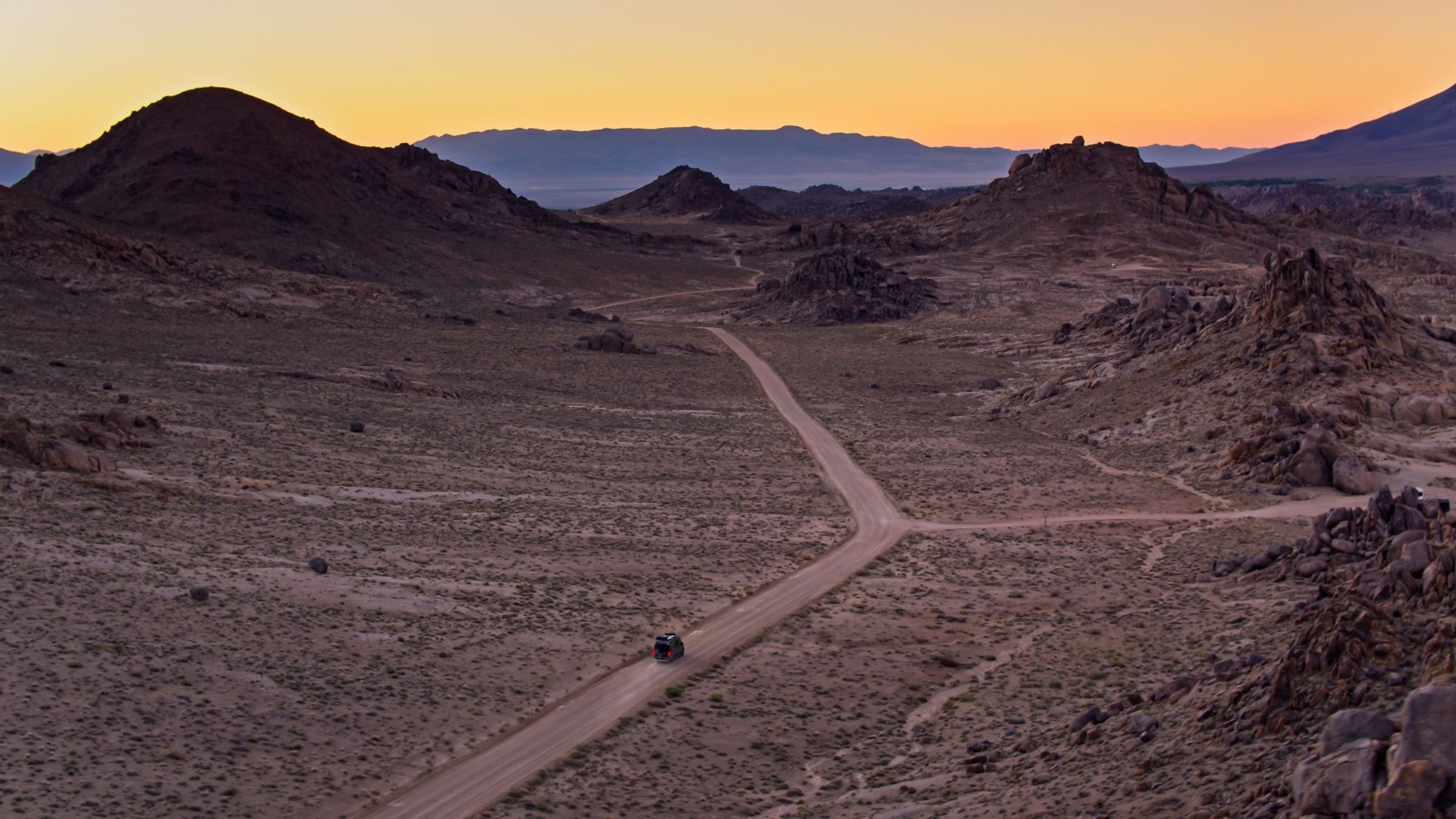
Located just west of Lone Pine, the Alabama Hills National Scenic Area offers a network of dirt roads, hiking routes, climbing areas, photography pullouts, and dispersed camping opportunities surrounded by some of California’s most dramatic scenery.
Popular stops include Movie Road, Mobius Arch, and countless unnamed granite formations spread across the desert landscape. Sunrise and sunset are especially popular for photography, while cooler fall, winter, and spring temperatures make the area ideal for hiking, climbing, and camping.
During summer, mornings and evenings generally provide the most comfortable conditions for exploring lower elevation desert terrain.
The History of Filming in Lone Pine
Filmmaking in Lone Pine dates back to the early days of Hollywood.
Beginning in the 1920s, directors and studios were drawn to the Alabama Hills because the landscape could convincingly double as the American frontier, deserts, mountain ranges, or even foreign landscapes while remaining accessible from Los Angeles.
Classic western stars including John Wayne, Gene Autry, Hopalong Cassidy, and Roy Rogers filmed extensively throughout the region. Over time, productions expanded beyond westerns into science fiction, adventure films, commercials, and modern television.
The combination of dramatic scenery, reliable weather, and proximity to Southern California helped turn Lone Pine into one of the most important filming locations in western movie history.
Museum of Western Film History
Located in downtown Lone Pine, the Museum of Western Film History preserves and celebrates the region’s deep connection to filmmaking and the American West.
The museum features movie props, costumes, photography, exhibits, vehicles, archives, and memorabilia tied to the countless productions filmed throughout the Alabama Hills and Owens Valley over the last century.
For many visitors, the museum provides a deeper understanding of how the landscapes surrounding Lone Pine helped shape generations of western cinema and American road trip culture.
More Than a Movie Set
While film history remains central to the Alabama Hills identity, the area has also become one of the Eastern Sierra’s most popular recreation destinations.
Visitors now come for climbing, hiking, camping, photography, stargazing, mountain biking, and exploring the unique desert landscape beneath Mount Whitney. The combination of accessible recreation and cinematic scenery continues attracting travelers from around the world.
Plan Ahead for Your Visit
The Alabama Hills are managed as a protected National Scenic Area, and visitors should prepare for changing desert conditions throughout the year.
Road conditions can vary depending on weather and maintenance, and summer temperatures can become extremely hot during the middle of the day. Carry extra water, stay on designated routes, and check current recreation regulations before visiting.
Recreate Responsibly
Help protect the Alabama Hills by respecting camping regulations, staying on established roads and trails, packing out all trash, and avoiding damage to vegetation, wildlife habitat, and cultural resources.
Before your trip, check current conditions and access information with local land management agencies.