Explore Glacier Country in the Eastern Sierra
Located between Bishop and Independence along Highway 395, Big Pine serves as a gateway to alpine lakes, ancient forests, mountain trailheads, hot springs, and some of the most dramatic scenery in the Eastern Sierra.
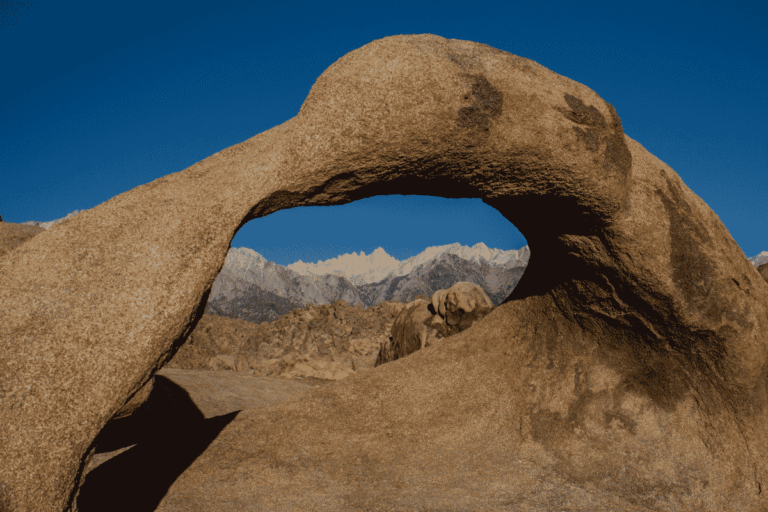
Surrounded by the towering Palisades, the White Mountains, and the Owens Valley, Big Pine offers a quieter pace than some larger mountain destinations while still providing access to world-class hiking, camping, fishing, photography, and road trip experiences.
Whether you are heading into the high country or simply exploring Highway 395, these are some of the top things to do in Big Pine.
1. Ancient Bristlecone Pine Forest
Home to some of the oldest living trees on Earth, the Ancient Bristlecone Pine Forest offers high elevation scenery, twisted ancient groves, and sweeping White Mountain views unlike anywhere else in California.
The high elevation forest sits more than 10,000 feet above sea level and provides visitors with a chance to walk among trees that have survived for thousands of years in one of the harshest mountain environments in North America.
Cooler summer temperatures and dramatic landscapes make the area especially popular for scenic drives, photography, hiking, and stargazing.
2. Palisade Glacier
The Palisade Glacier, the southernmost glacier in the United States, sits beneath some of the most dramatic alpine peaks in the Eastern Sierra.
While reaching the glacier itself requires significant backcountry travel and mountaineering experience, the surrounding Palisades and Big Pine Creek region offer some of the most iconic alpine scenery in California.
The glacier remains one of the defining natural features connected to the Big Pine area and Eastern Sierra high country.
3. Big Pine Lakes
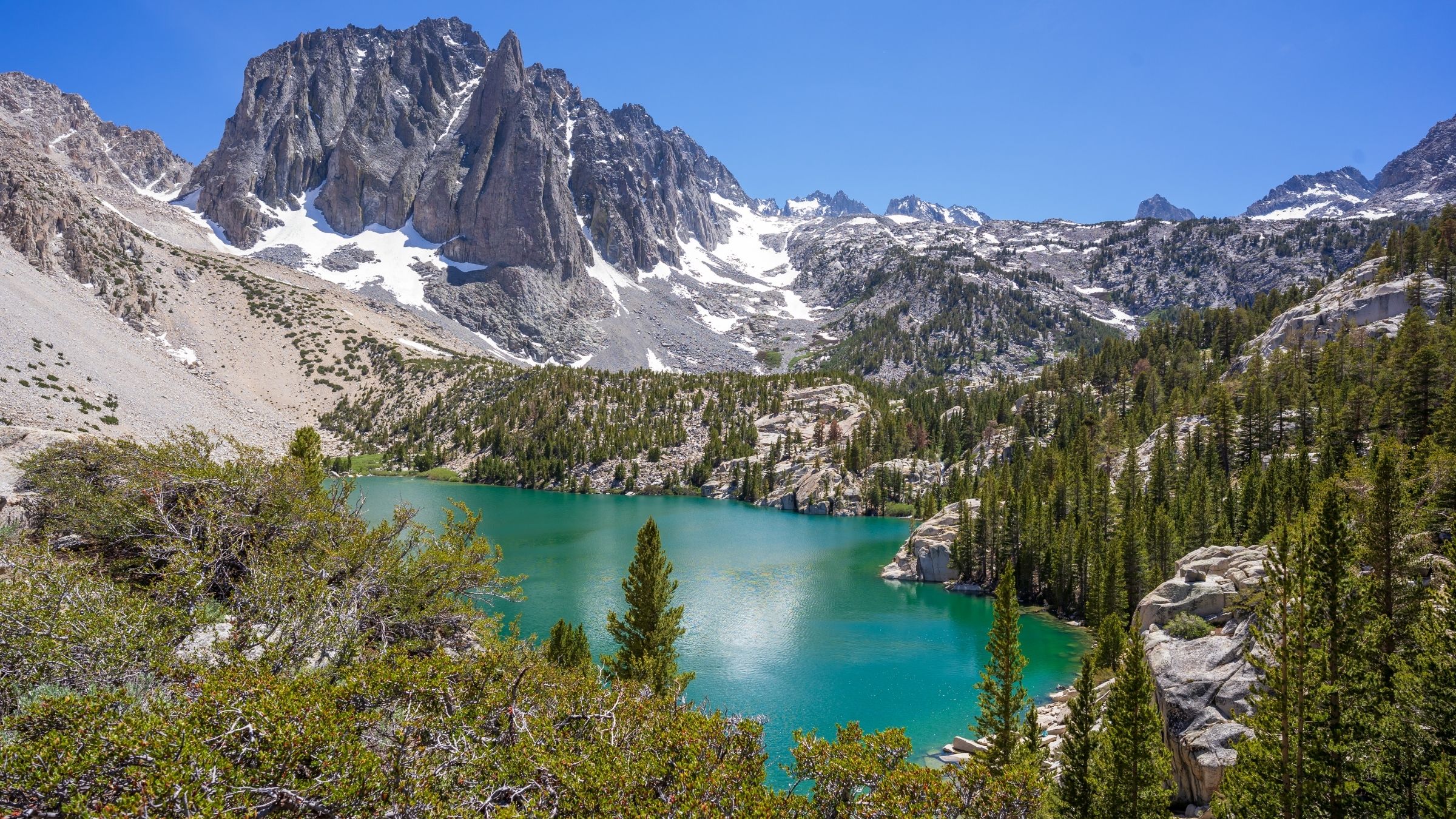
Known for their bright turquoise water and rugged alpine scenery, the Big Pine Lakes are among the most iconic hiking destinations in the Eastern Sierra.
The trail climbs through forests, waterfalls, and granite terrain before reaching a series of striking alpine lakes beneath the towering Palisades.
Summer and early fall provide the most popular hiking conditions, while snow-covered peaks often remain visible well into warmer months.
4. Keough’s Hot Springs
Located just north of Big Pine, Keough’s Hot Springs has welcomed travelers to the Owens Valley for generations.
The historic hot spring resort features natural mineral pools surrounded by mountain views and remains one of the most relaxing stops along Highway 395 after long days hiking, climbing, fishing, or road tripping through the Eastern Sierra.
5. Copper Top BBQ
A classic Highway 395 stop, Copper Top BBQ has become one of the Eastern Sierra’s best-known roadside dining destinations.
Known for smoked tri-tip, ribs, pulled pork, sandwiches, and long weekend lines, the restaurant has developed a loyal following among locals, climbers, hikers, anglers, and road trippers traveling through the Owens Valley.
For many travelers, stopping at Copper Top has become part of the Highway 395 experience itself.
6. High Country Camping
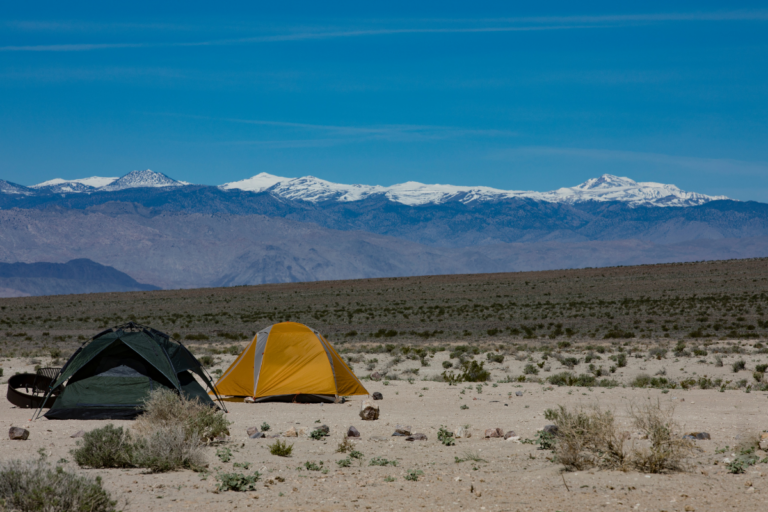
From creekside campgrounds to alpine trailhead camping, Big Pine serves as a gateway to some of the Eastern Sierra’s most scenic high country recreation areas.
Popular camping destinations throughout the region provide access to fishing, backpacking, hiking, photography, climbing, and dark skies beneath the Sierra crest.
Whether staying near Big Pine Creek or higher elevation trailheads, camping remains one of the best ways to experience the landscape surrounding Big Pine.
Plan Ahead for Your Visit
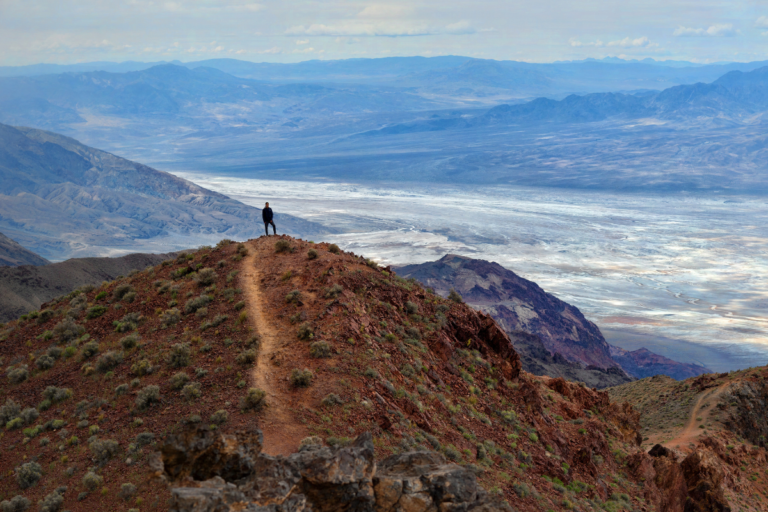
Big Pine experiences major elevation changes between the Owens Valley floor and surrounding mountain recreation areas.
Summer temperatures can become hot at lower elevations, while nearby alpine terrain can experience rapidly changing weather throughout the year. Visitors should carry extra water, prepare for changing conditions, and check trail, campground, and road access before traveling.
Recreate Responsibly
Help protect the Eastern Sierra by staying on designated trails and campsites, packing out all trash, respecting wildlife, and following Leave No Trace principles throughout the region.
Before your trip, check current weather, campground conditions, and trail information with local land management agencies.