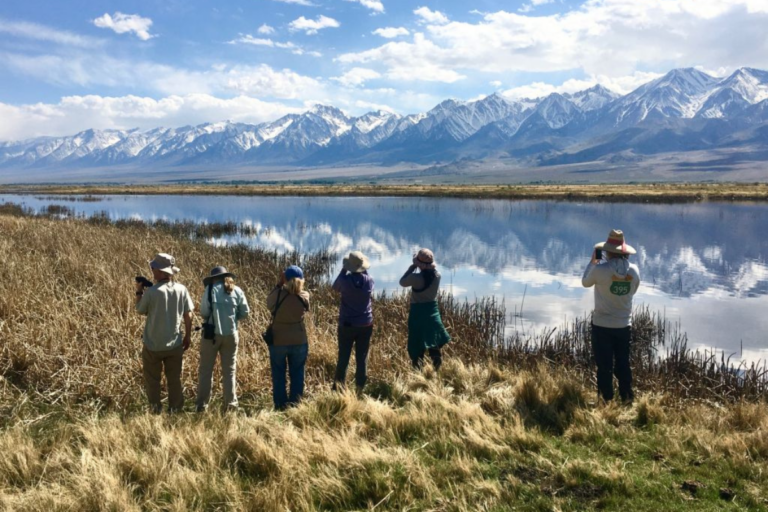
Payahuunadü, the Owens Valley, has long been home to the Paiute and Shoshone peoples, including the modern-day Lone Pine Paiute-Shoshone Tribe. Visitors exploring the Eastern Sierra are encouraged to recreate respectfully and help protect the cultural and natural landscapes that continue to shape the region today.
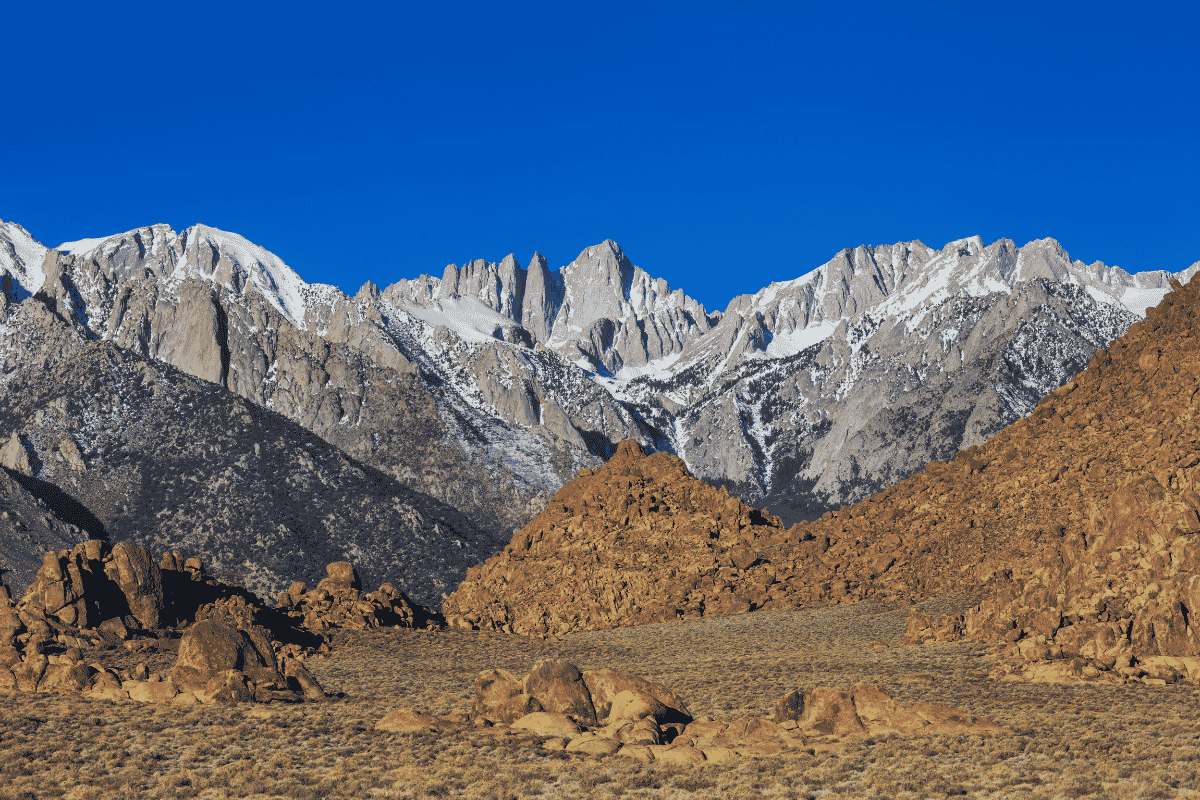
Located west of Lone Pine beneath Mount Whitney, the Alabama Hills are one of the most recognizable climbing areas in the Eastern Sierra. The area is known for rounded rock formations, desert scenery, short approaches, and views of the Sierra Nevada. Climbers visiting the Alabama Hills will primarily find sport climbing routes spread throughout the landscape west of Lone Pine.
Sport Climbing in the Alabama Hills
The Alabama Hills are best known for accessible sport climbing routes on rounded quartz monzonite formations beneath the Sierra Nevada. Many climbing areas are located close to dirt roads and pullouts, allowing for short approaches and easy access compared to larger alpine climbing destinations in the Eastern Sierra. The area attracts climbers throughout much of the year, especially during cooler fall, winter, and spring months when temperatures are more favorable for desert climbing.
Rock Type & Terrain
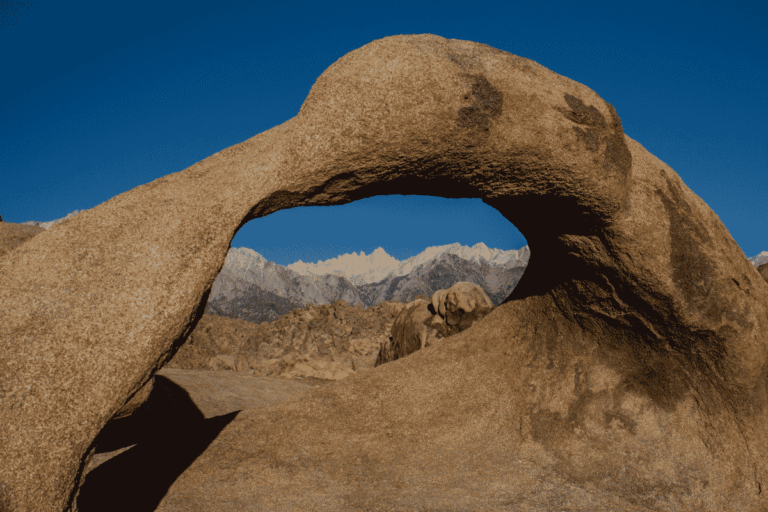
The Alabama Hills are made up primarily of quartz monzonite rock formations shaped by erosion over time. The landscape includes slabs, faces, cracks, chimneys, and shorter granite walls suitable for a range of climbing experience levels. The contrast between the desert rock formations and the Sierra Nevada backdrop has helped make the area one of the most photographed climbing destinations in California.
Access & Stewardship
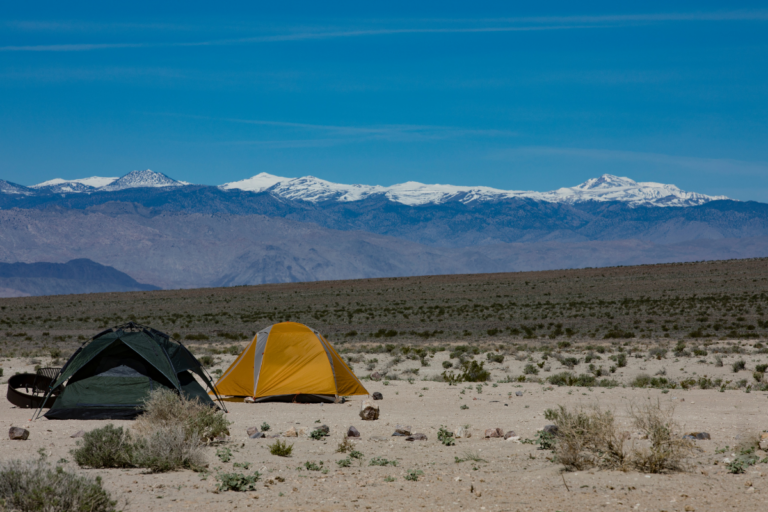
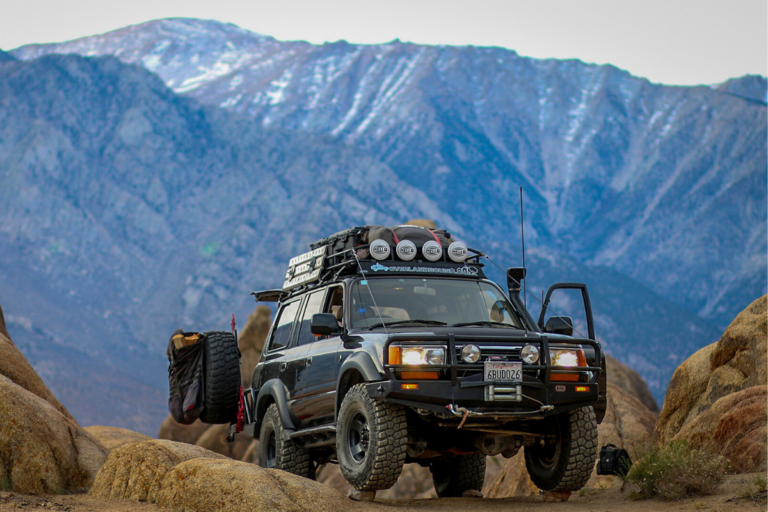
The Alabama Hills National Scenic Area is protected public land managed by the Bureau of Land Management. Visitors are encouraged to stay on established roads and trails, respect seasonal closures and camping regulations, minimize impacts to fragile desert soils and vegetation, and recreate responsibly throughout the area.
Know Before You Go
The Alabama Hills are remote desert terrain with limited services, changing weather conditions, and uneven rock surfaces. Cell service can be inconsistent throughout the area.
Visitors should carry adequate water, sun protection, navigation tools, and appropriate climbing equipment before entering the area. Summer temperatures can become dangerously hot, while winter mornings and evenings may bring cold temperatures and strong winds.
Climbers should always inspect fixed hardware, use appropriate safety systems, and understand their own experience level before attempting any route.
This article is intended for general educational purposes only and should not be considered professional climbing, guiding, or safety advice.