One of the Darkest Night Skies in North America
Death Valley National Park offers some of the best stargazing in California and some of the darkest skies in North America.
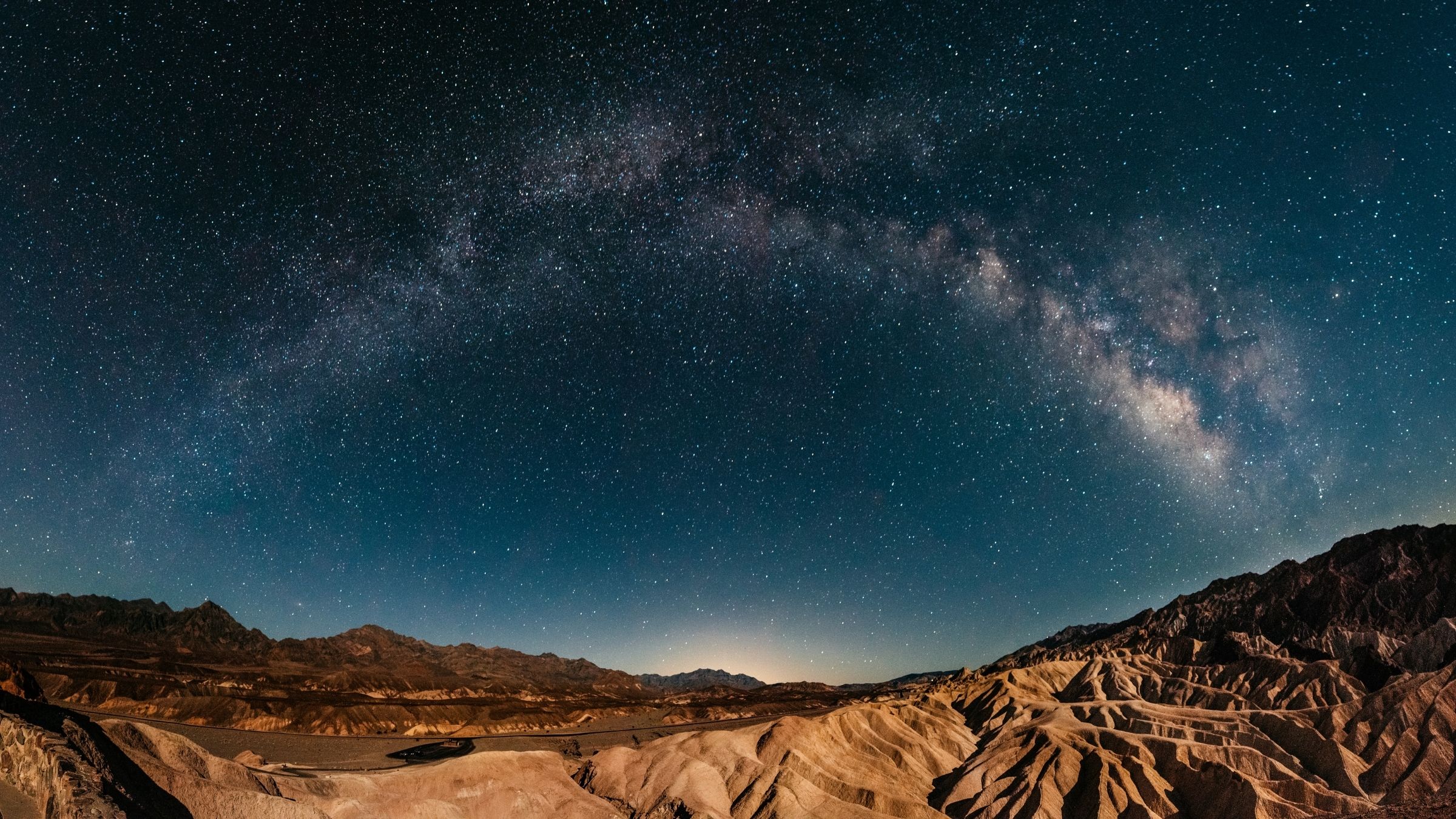
Far from major cities and artificial light, the massive desert landscape transforms after sunset into one of the country’s premier night sky destinations. On clear nights, visitors can see the Milky Way stretching across the sky, meteor showers, distant planets, satellites, and thousands of visible stars overhead.
The combination of dry desert air, remote geography, and protected public land creates exceptional viewing conditions throughout much of the year.
Why Death Valley Is So Good for Stargazing
Death Valley’s location within the Mojave Desert provides extremely low humidity, minimal light pollution, and wide open visibility across the night sky.
Because the park covers more than 3 million acres, many areas remain incredibly dark even during busy travel seasons. The surrounding mountain ranges also help block light from larger population centers, creating especially strong conditions for astrophotography and astronomy.
The park has earned recognition as an International Dark Sky Park and continues attracting photographers, amateur astronomers, campers, and road trippers from around the world.
Best Places to Stargaze in Death Valley
Mesquite Flat Sand Dunes
The Mesquite Flat Sand Dunes near Stovepipe Wells are among the park’s most popular stargazing locations.
The open dunes create clean foregrounds for photography while surrounding mountains frame the night sky in nearly every direction. Sunset into blue hour is especially popular before stars begin appearing overhead.
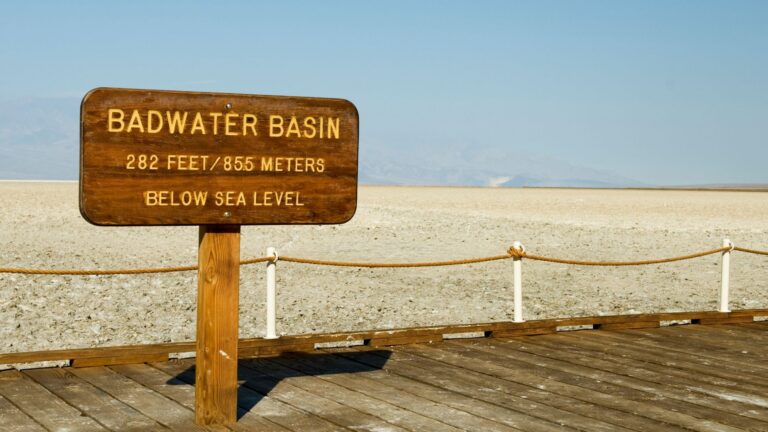
Badwater Basin
The massive salt flats at Badwater Basin create one of the most surreal nighttime landscapes in the park.
The flat white terrain reflects moonlight and stars while the surrounding mountains create dramatic contrast against the dark desert sky.
Dante’s View
Perched high above the valley floor, Dante’s View offers sweeping nighttime views across Death Valley Basin and the surrounding mountain ranges.
Because of its elevation and distance from artificial light, the overlook becomes especially popular for astrophotography and Milky Way viewing.
Zabriskie Point
Zabriskie Point’s layered badlands create dramatic textures and shadows beneath the stars.
Photographers often use the eroded ridgelines and desert formations to frame long-exposure night photography throughout the cooler months.
Best Time of Year for Stargazing
Fall, winter, and spring generally provide the best conditions for stargazing in Death Valley thanks to cooler nighttime temperatures and clearer skies.
Winter nights can become surprisingly cold, especially at higher elevations, while summer nighttime temperatures may remain extremely warm even after sunset.
Moon phases also play a major role. New moon periods offer the darkest skies and strongest Milky Way visibility.
Death Valley Dark Sky Festival
Each year, Death Valley National Park hosts the Death Valley Dark Sky Festival, a multi-day event celebrating astronomy, dark sky preservation, astrophotography, science, and nighttime exploration in one of the darkest places in North America.
The festival typically includes ranger programs, telescope viewing, photography workshops, guest speakers, and guided night sky experiences throughout the park.
Astrophotography in Death Valley
Death Valley has become one of California’s most popular destinations for astrophotography.
Photographers regularly capture:
- Milky Way landscapes
- Star trails
- Meteor showers
- Moonrises
- Desert silhouettes
- Long exposure night scenes
The combination of desert terrain, mountains, dunes, salt flats, and dark skies provides endless opportunities for nighttime photography throughout the park.
Plan Ahead for Nighttime Exploration
Death Valley remains extremely remote after dark, and services can be limited depending on location.
Visitors should carry extra water, flashlights or headlamps, warm layers, offline maps, and extra fuel while exploring the park at night. Cell service is limited throughout much of the region.
Avoid driving unfamiliar roads too quickly after dark and always stay aware of changing weather and road conditions.
Recreate Responsibly
Help preserve Death Valley’s dark skies by minimizing artificial light, respecting quiet nighttime environments, packing out all trash, and staying on designated roads and trails.
Before your trip, check current park conditions, weather alerts, and road closures with Death Valley National Park.