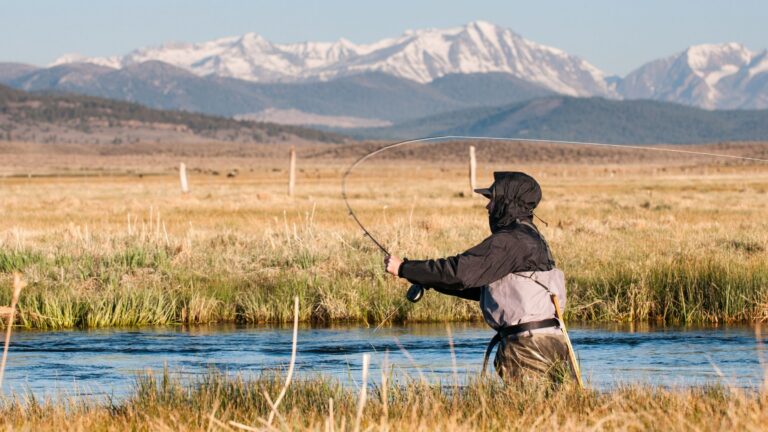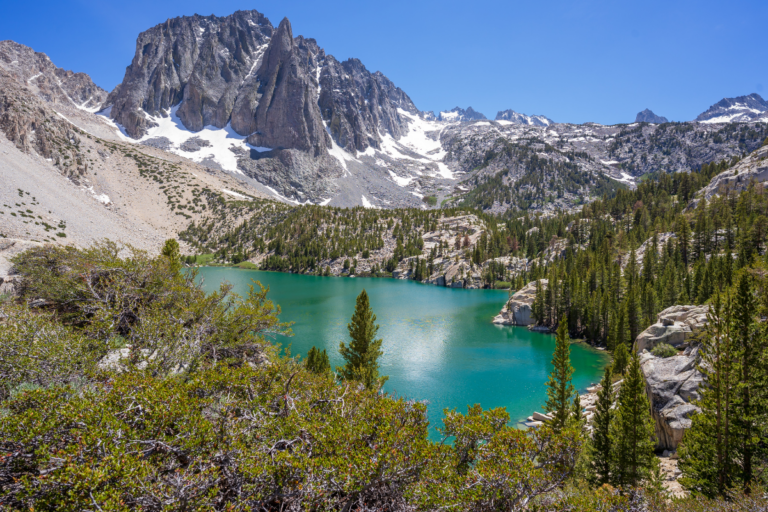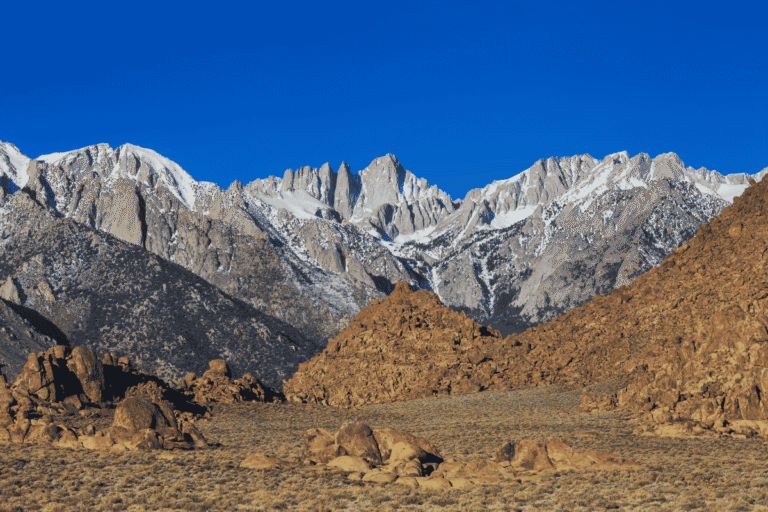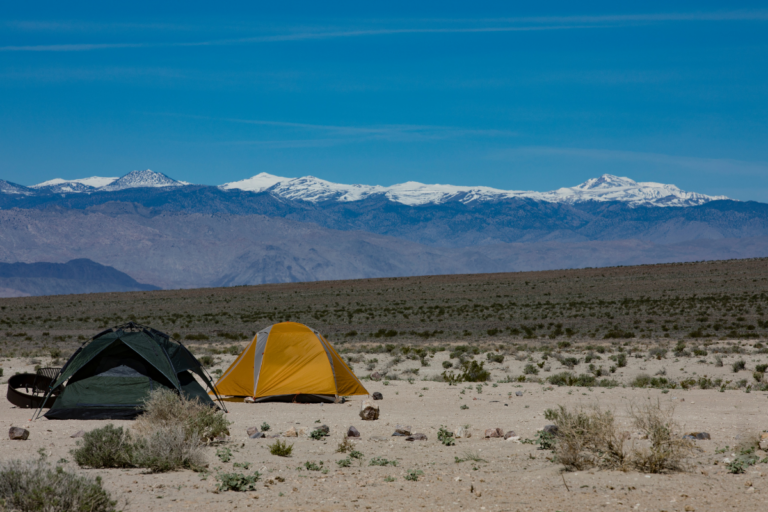
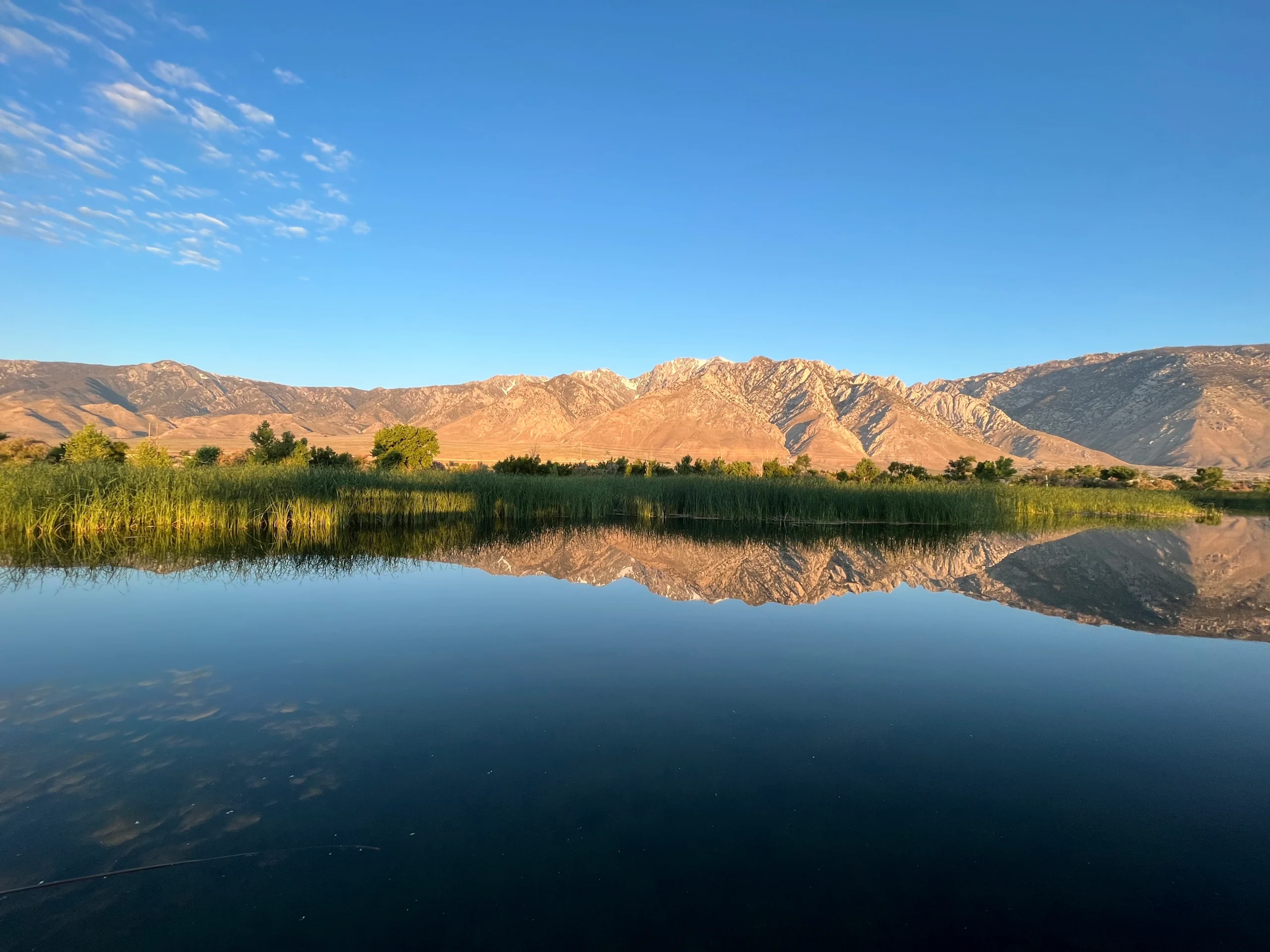
Lone Pine is one of the Eastern Sierra’s premier fishing destinations, offering everything from alpine lakes below Mount Whitney to year-round waters in the Owens Valley. Whether you’re casting for stocked rainbow trout, searching for wild trout in mountain streams, or spending the day on a quiet reservoir, the Lone Pine area provides outstanding fishing opportunities surrounded by some of California’s most spectacular scenery.
With easy access from U.S. Highway 395, Lone Pine serves as a convenient basecamp for anglers exploring the southern Eastern Sierra.
Best Places to Fish Near Lone Pine
WHITNEY PORTAL
Nestled at the trailhead for Mount Whitney, Whitney Portal offers excellent trout fishing in a spectacular alpine setting. Whitney Portal Pond is regularly stocked with rainbow trout during the fishing season and is one of the most popular family-friendly fishing spots in the Lone Pine area. Nearby sections of Lone Pine Creek also provide opportunities to catch wild trout in a beautiful mountain environment. The Portal is typically accessible from late spring through fall, depending on snow conditions.
Diaz Lake
Located just south of Lone Pine, Diaz Lake is one of the area’s most accessible fisheries. The lake offers excellent shore fishing and opportunities for bass, catfish, trout, and panfish depending on the season. It’s a popular destination for families, kayaks, float tubes, and anglers looking for easy access close to town.
Lone Pine Creek
Flowing from the Mount Whitney area, Lone Pine Creek offers scenic trout fishing in a mountain setting. Access varies throughout the drainage, and anglers should always review current regulations before fishing.
Cottonwood Lakes
The Cottonwood Lakes Basin is home to several high-elevation lakes that offer excellent trout fishing during the summer and early fall. Reached via Horseshoe Meadows, these alpine waters are popular with backpackers, hikers, and fly anglers seeking a classic high-country experience.
Cottonwood Creek
Below Horseshoe Meadows, Cottonwood Creek provides opportunities to fish for trout in a beautiful mountain canyon. Seasonal access depends on weather and road conditions.
Tuttle Creek
Located west of Lone Pine near the Alabama Hills, Tuttle Creek offers a quieter fishing experience during favorable water conditions.
Owens River
Several sections of the Owens River south of Lone Pine provide year-round fishing opportunities under varying regulations. Always check current California Department of Fish and Wildlife regulations before fishing.
What Can You Catch?
Depending on the season and location, anglers may catch:
- Rainbow Trout
- Brown Trout
- Brook Trout
- Bass
- Catfish
- Bluegill and other panfish
When Is the Best Time to Fish?
Fishing opportunities exist throughout the year.
- Spring: Stocked trout, fishing derbies, and excellent Owens Valley fishing.
- Summer: High-country lakes and mountain streams become fully accessible.
- Fall: Cooler temperatures and active brown trout make autumn a favorite among many anglers.
- Winter: Lower-elevation waters, including portions of the Owens River and Diaz Lake, continue to provide fishing opportunities.
Fishing Licenses & Regulations
Anyone 16 years or older must possess a valid California fishing license. Most waters near Lone Pine are open year-round, although seasons, bag limits, and special regulations vary by waterbody.
Before your trip:
- Purchase a California fishing license.
- Review current California Department of Fish and Wildlife regulations.
- Check local fishing reports for water conditions and recent fish stocking.
Guided Fishing
Several guide services operate throughout the southern Eastern Sierra, offering half-day, full-day, and multi-day fishing trips. Whether you’re new to fishing or an experienced angler looking for local knowledge, hiring a guide can help you make the most of your visit.
Recreate Responsibly
Help protect Lone Pine’s fisheries by practicing Leave No Trace principles. Pack out all trash and discarded fishing line, respect private property and seasonal closures, clean gear between waters to help prevent the spread of aquatic invasive species, and help preserve these waters for future generations of anglers.