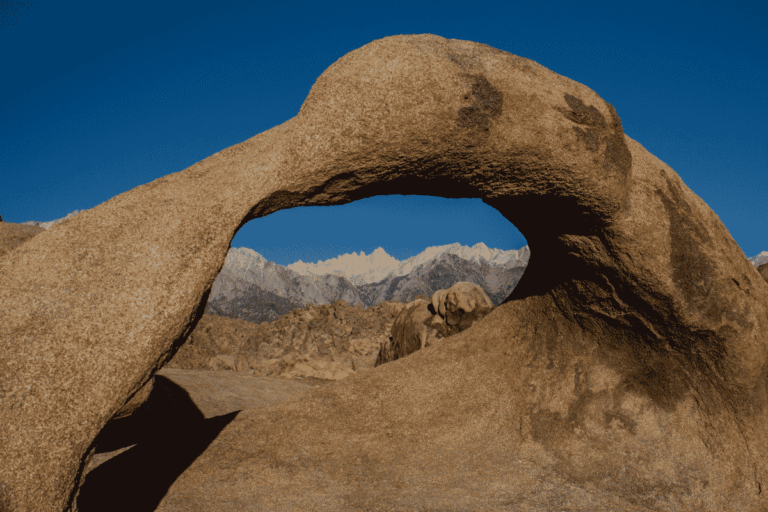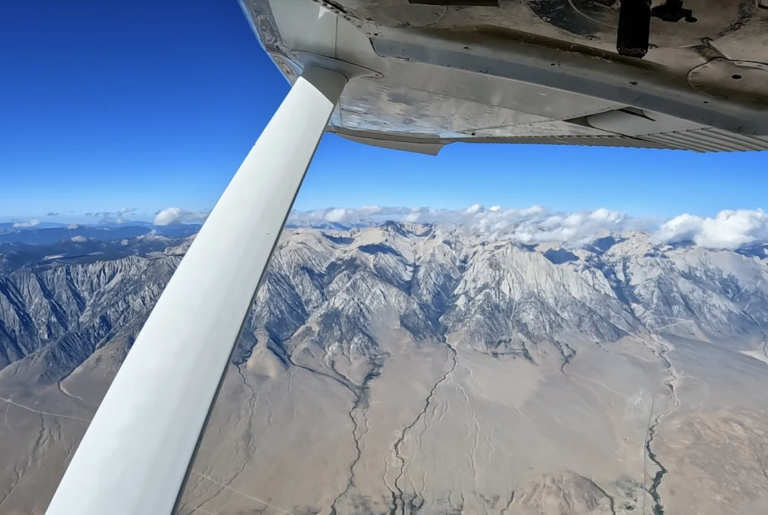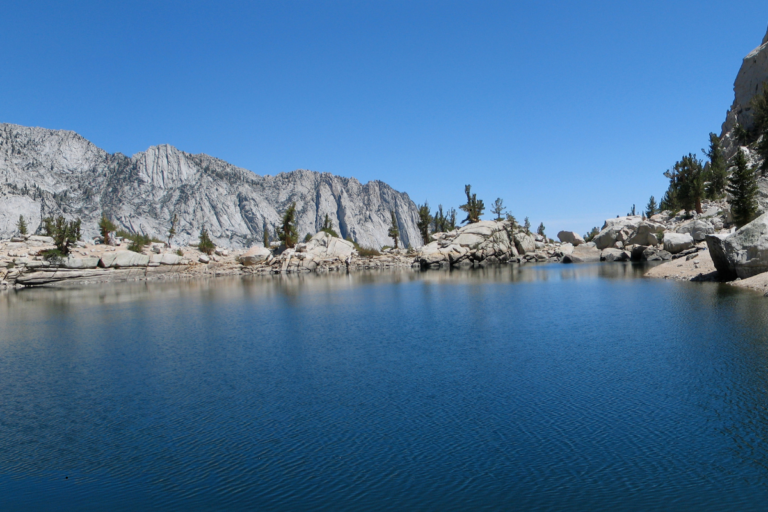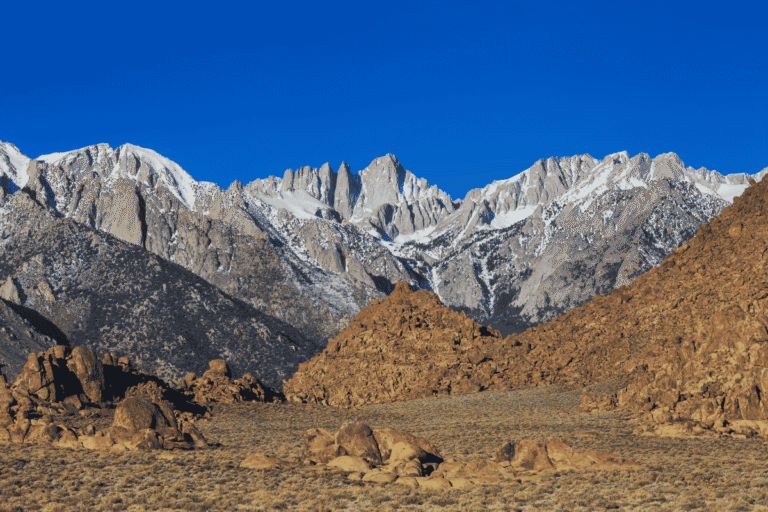
Lone Pine sits at the crossroads of Sierra Nevada mountaineering, western film history, Owens Valley ranching, mining, and desert travel culture. Located beneath Mount Whitney and beside the Alabama Hills National Scenic Area, the town has developed a unique identity shaped by both its landscape and the people who traveled through it.
Today, Lone Pine remains one of the best-known gateway communities in the Eastern Sierra.
Indigenous History of Owens Valley
Long before the arrival of settlers and mining communities, the Owens Valley was home to Paiute and Shoshone peoples, including communities connected to the modern-day Lone Pine Paiute-Shoshone Tribe.
Many Indigenous communities seasonally moved between the Owens Valley floor during winter months and the cooler Sierra Nevada elevations during summer, following water, food sources, trade routes, and changing weather conditions throughout the year.
Traditional ecological knowledge and deep familiarity with the desert and mountain environments shaped life throughout the valley for generations.
How Lone Pine Got Its Name
The town of Lone Pine was named after a single pine tree that once stood near the mouth of Lone Pine Canyon at the base of the Sierra Nevada.
The original tree was later destroyed by flooding, but the name remained and eventually became one of the most recognizable communities along Highway 395.
Mining & Early Settlement
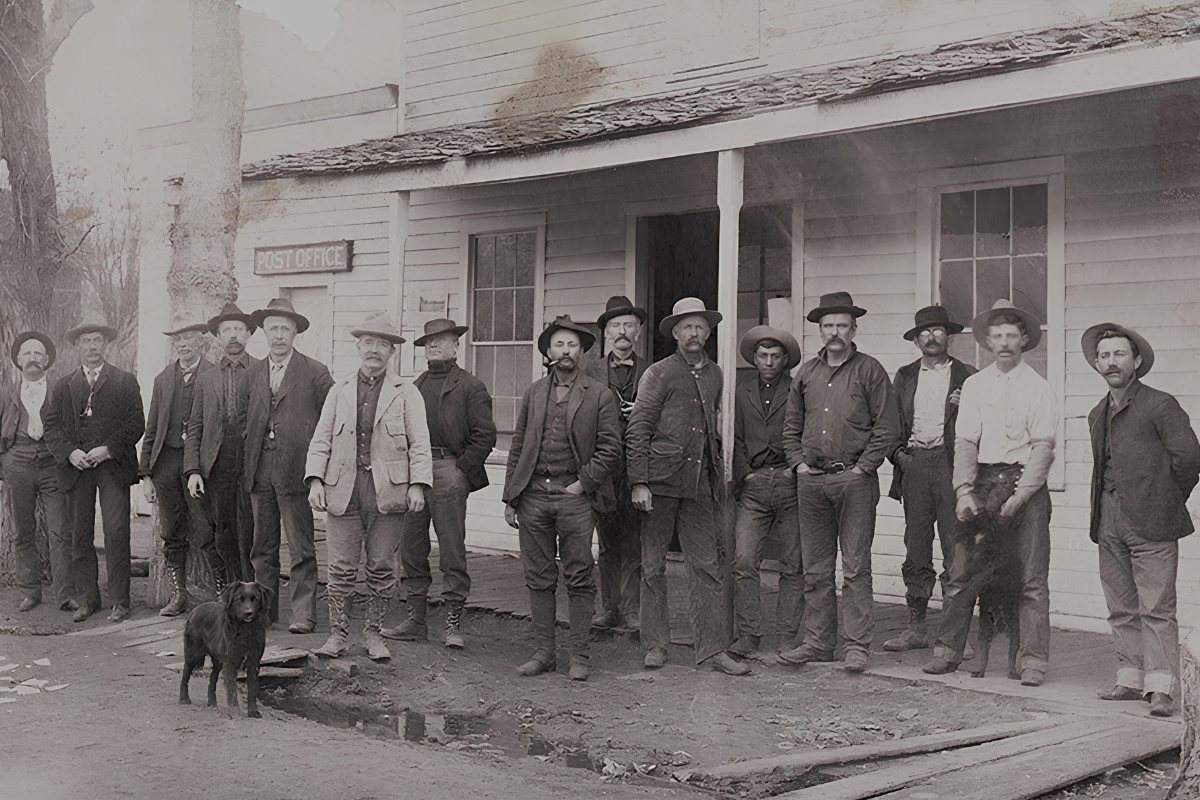
Lone Pine was founded during the 1860s as a supply town serving nearby mining communities including Cerro Gordo Ghost Town, Darwin, and Kearsarge.
Freight wagons, miners, ranchers, and travelers regularly moved through the Owens Valley transporting silver, equipment, livestock, and supplies between mining camps and regional trade routes.
Like many mining-era towns throughout the American West, Lone Pine experienced periods of rapid growth tied to the boom-and-bust cycles of nearby mining operations and transient workforces moving throughout the Eastern Sierra.
The 1872 Lone Pine Earthquake
One of the most significant events in the town’s history was the 1872 Lone Pine Earthquake, one of the largest earthquakes recorded in California history.
The earthquake destroyed much of the original town and dramatically altered the surrounding landscape. Evidence of the fault movement can still be seen today along the nearby fault scarp outside Lone Pine.
The disaster played a major role in shaping the modern development of the town.
Mount Whitney History
Mount Whitney was identified during the California Geological Survey in 1864 and named after geologist Josiah Whitney.
After earlier survey attempts failed, the first recorded ascent of Mount Whitney took place on August 18, 1873, by Lone Pine residents Charles Begole, John Lucas, and Al Johnson.
Today, Mount Whitney remains the tallest peak in the contiguous United States and continues to shape Lone Pine’s identity as a major outdoor recreation gateway.
Los Angeles Aqueduct Era
During the early 1900s, Lone Pine became closely tied to construction activity surrounding the Los Angeles Aqueduct.
Workers, engineers, and labor crews moved throughout the Owens Valley as the aqueduct system expanded south toward Los Angeles. The project permanently altered water systems, agriculture, land use, and development throughout the region and remains one of the defining chapters in Owens Valley history.
Hollywood & Western Film History
Lone Pine became internationally recognized through its connection to the movie industry.
Beginning in the early 1900s, the Alabama Hills and surrounding desert landscapes became one of Hollywood’s most popular filming locations for westerns, adventure films, and television productions.
Actors including John Wayne, Roy Rogers, Gene Autry, and Clint Eastwood filmed throughout the area, helping establish Lone Pine as one of the most recognizable western film landscapes in the United States.
The Museum of Western Film History now preserves and shares much of this history.
Lone Pine Today
Modern Lone Pine remains a small Eastern Sierra community shaped by tourism, outdoor recreation, film history, public lands, and Highway 395 travel culture.
Historic motels, western storefronts, museums, restaurants, and outdoor businesses continue to serve visitors exploring the region while maintaining much of the town’s historic character.
Places to Explore Lone Pine History
Visitors interested in learning more about Lone Pine history can explore: