When summer crowds disappear and temperatures begin cooling down, the Eastern Sierra shifts into one of its best seasons.
Fall and winter bring changing aspens, quieter trails, dramatic desert light, snow-covered mountain views, and some of the most comfortable recreation weather of the year across the Owens Valley and surrounding Sierra Nevada.
While much of California heads indoors for winter, the Eastern Sierra remains active across multiple elevations. Visitors can ski in the mountains, hike desert trails, photograph fall colors, fish lower elevation waters, explore Death Valley, and camp beneath dark skies all within a few hours.
Fall in the Eastern Sierra
Early fall often still feels like summer throughout much of the region.
September and October bring cooler nights, comfortable daytime temperatures, and fewer visitors across many recreation areas. Mountain roads and high country destinations often remain accessible well into fall depending on snowfall.
Fall is one of the best seasons for:
- hiking
- climbing
- camping
- fishing
- scenic drives
- photography
- road trips along Highway 395
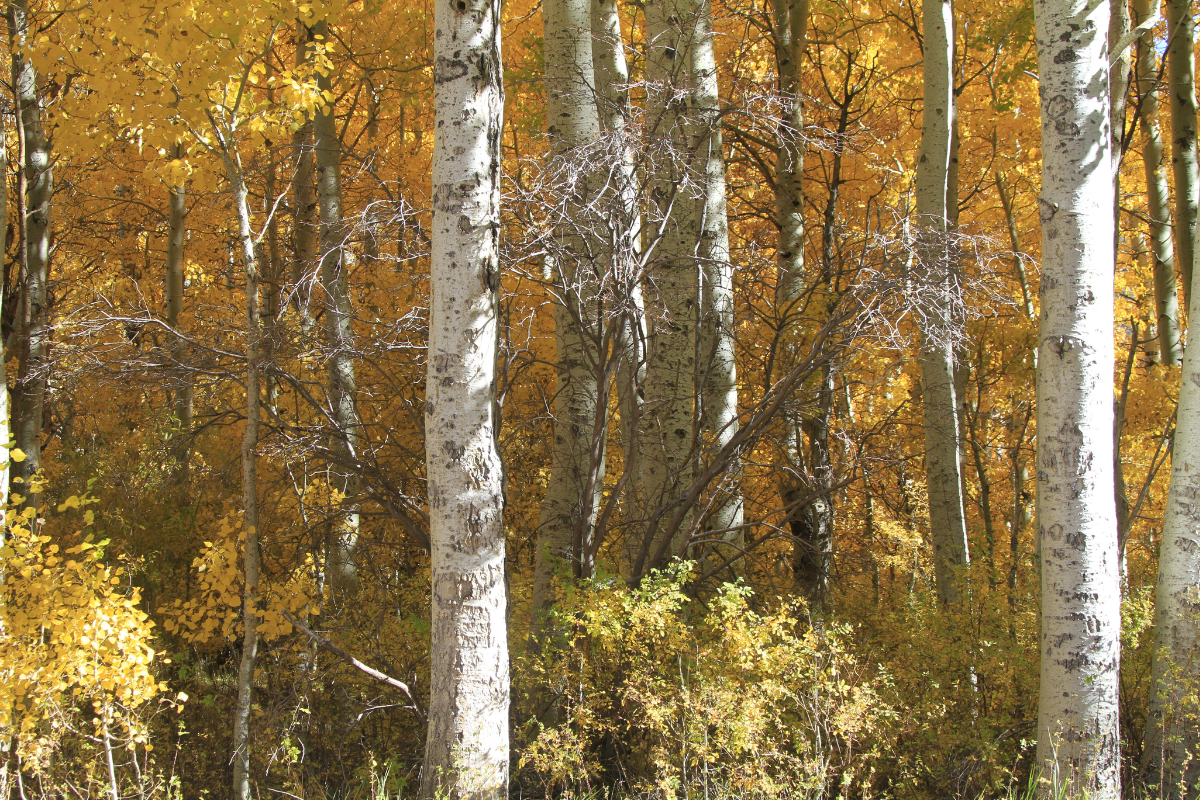
Aspen season typically peaks throughout October at varying elevations depending on weather conditions. Popular fall color destinations include:
- Bishop Creek Canyon
- Rock Creek Canyon
- June Lake Loop
- McGee Creek
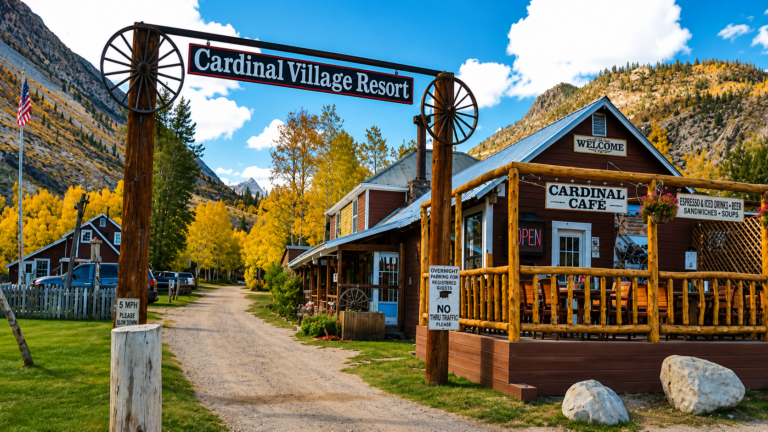
The combination of yellow aspens, granite peaks, and cooler weather makes fall one of the most photographed seasons in the Eastern Sierra.
Winter in the Owens Valley & Eastern Sierra
Winter creates an entirely different experience throughout the region.
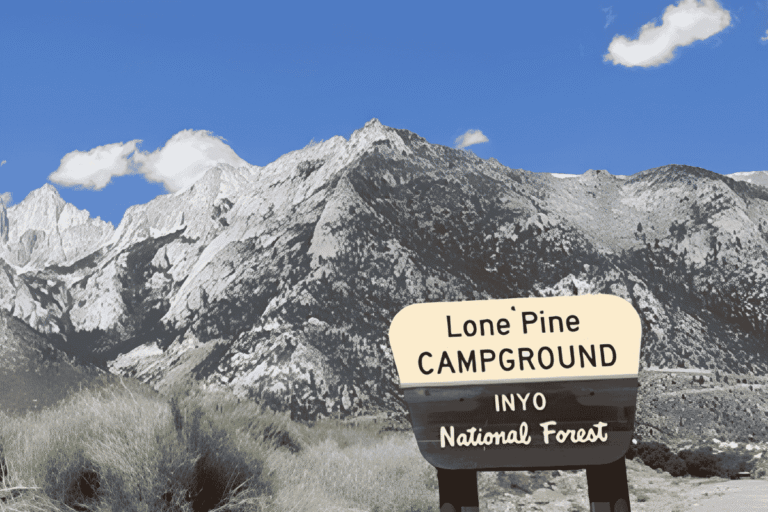
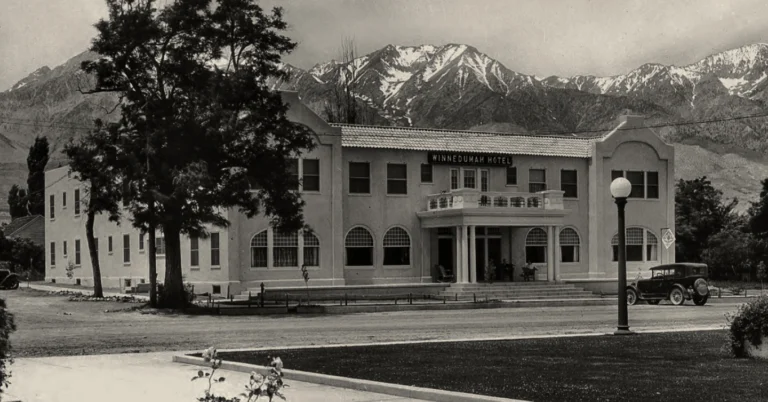
While the Sierra Nevada receives snow, many lower elevation communities like Bishop and Lone Pine remain relatively mild and accessible throughout much of the season.
Visitors often stay in the Owens Valley while using the area as a base camp for skiing and snowboarding in Mammoth Lakes.
At the same time, winter becomes one of the best seasons for lower elevation exploration throughout the region.
Winter Hiking, Trail Running & Desert Exploration
Cooler temperatures make winter ideal for hiking and exploring:
- Death Valley National Park
- Alabama Hills National Scenic Area
- Buttermilk Country
- Owens Valley desert trails and scenic areas
Winter conditions often create clear skies, excellent visibility, dramatic lighting, and snow-covered Sierra backdrops that attract photographers, climbers, hikers, campers, and road trippers throughout the season.
Death Valley becomes especially popular during winter due to mild daytime temperatures and improved hiking conditions across the park.
Fishing During Fall & Winter
Fishing opportunities continue throughout portions of the Eastern Sierra during fall and winter depending on weather, elevation, and seasonal regulations.
Lower elevation waters throughout the Owens Valley often remain accessible while higher elevation lakes and streams become snow covered during winter months.
Visitors should always review current California fishing regulations and seasonal closures before planning fishing trips.
Stargazing & Dark Skies
Fall and winter also bring some of the clearest night sky conditions of the year.
Cold desert air, minimal humidity, and low light pollution create excellent conditions for:
- stargazing
- astrophotography
- Milky Way photography
- meteor showers
- night photography
Popular dark sky destinations include the Alabama Hills, Owens Valley, and Death Valley National Park.
Why Visit During Fall & Winter?
Many visitors consider fall and winter the best overall seasons to explore the Eastern Sierra because of:
- fewer crowds
- cooler temperatures
- dramatic scenery
- mixed desert and mountain recreation
- seasonal events
- easier access to popular destinations
- excellent photography conditions
The ability to experience snow-covered mountains and desert hiking during the same trip makes the region unique within California.
Know Before You Go
Weather conditions can change quickly throughout the Eastern Sierra due to dramatic elevation changes across the region.
Visitors should always check:
- weather forecasts
- road conditions
- chain controls
- campground availability
- wildfire restrictions
- seasonal closures
before traveling.
Leave No Trace
Visitors are encouraged to recreate responsibly while exploring the Eastern Sierra.
Pack out all trash, stay on established roads and trails, respect wildlife and cultural sites, and help protect the landscapes that make the Owens Valley and Sierra Nevada unique.