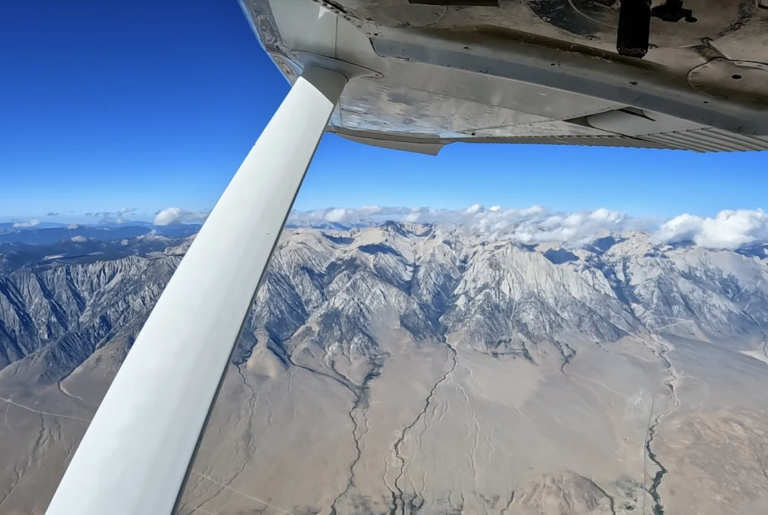
Payahuunadü, the Owens Valley, has long been home to the Paiute and Shoshone peoples, including the modern-day Lone Pine Paiute-Shoshone Tribe. Visitors should recreate respectfully and help protect these cultural and natural landscapes.
Located west of Lone Pine beneath Mount Whitney, the Alabama Hills contain some of California’s most recognizable desert rock formations.
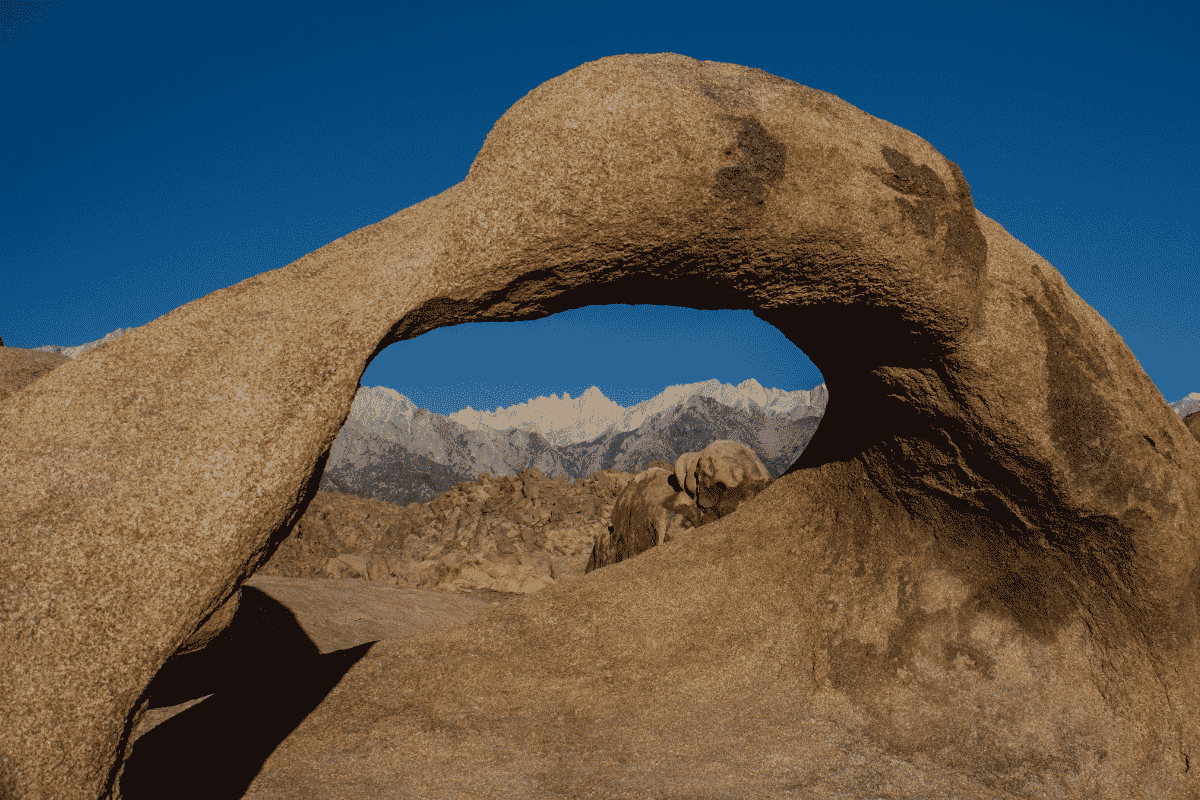
Mobius Arch
Mobius Arch is the most photographed arch in the Alabama Hills. The arch frames Mount Whitney and the Sierra crest.
Shark Fin Rock
Shark Fin Rock is one of the most recognizable formations in the Alabama Hills. Its dramatic shark fin shape stands out beneath the Sierra Nevada.
Eye of Alabama
The Eye of Alabama features a circular opening carved naturally into the rock. It has become a popular photography stop.
Lathe Arch
Lathe Arch is one of the larger arches in the Alabama Hills. Visitors can reach it through hiking routes west of Lone Pine.
Cyclops Arch
Cyclops Arch features a rounded opening surrounded by desert scenery. The formation is popular with hikers and photographers.
Heart Arch
Heart Arch is a smaller natural arch known for its heart-shaped opening. It is frequently photographed during sunrise and sunset.
Movie Road Formations
Movie Road passes countless unnamed rock formations throughout the Alabama Hills. Many appeared in classic western films and commercials.
Alabama Hills Geology
The Alabama Hills are made primarily of quartz monzonite rock shaped by erosion. Their rounded forms contrast sharply with the Sierra Nevada behind them.
Know Before You Go
The Alabama Hills are remote desert terrain with limited services and changing weather conditions. Carry water, sun protection, and navigation tools.
Leave No Trace
Stay on established roads and trails whenever possible. Pack out all trash and help protect fragile desert ecosystems.