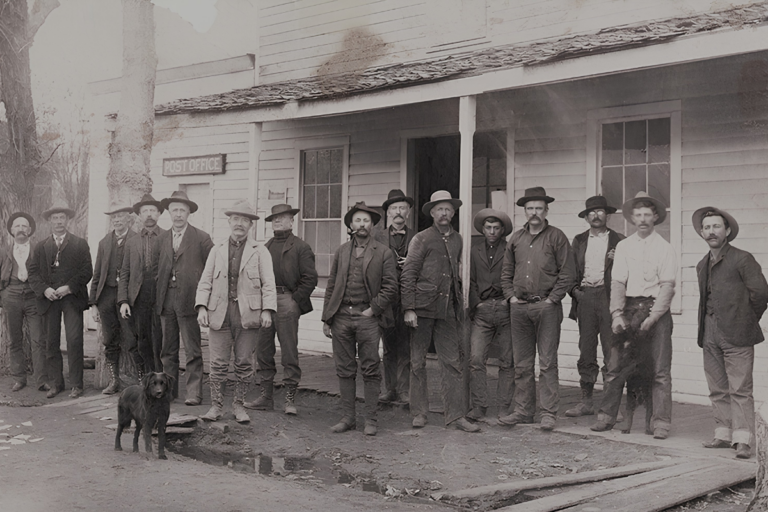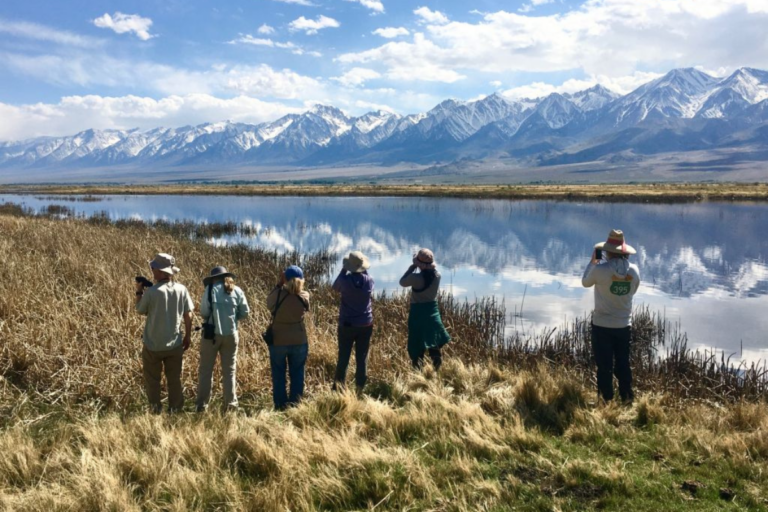
Payahuunadü (Owens Valley), has long been home to the Paiute and Shoshone peoples, including the modern-day Lone Pine Paiute-Shoshone Tribe. Visitors exploring the Eastern Sierra are encouraged to recreate respectfully and help protect the cultural and natural landscapes that continue to shape the region today.
Located beneath Mount Whitney and beside the Alabama Hills National Scenic Area, Lone Pine offers access to some of the most recognizable hiking terrain in the Eastern Sierra. Visitors can explore alpine lakes, high desert landscapes, granite peaks, pine forests, and historic trail systems ranging from short scenic walks to challenging mountaineering routes.
Lone Pine Lake (Moderate)
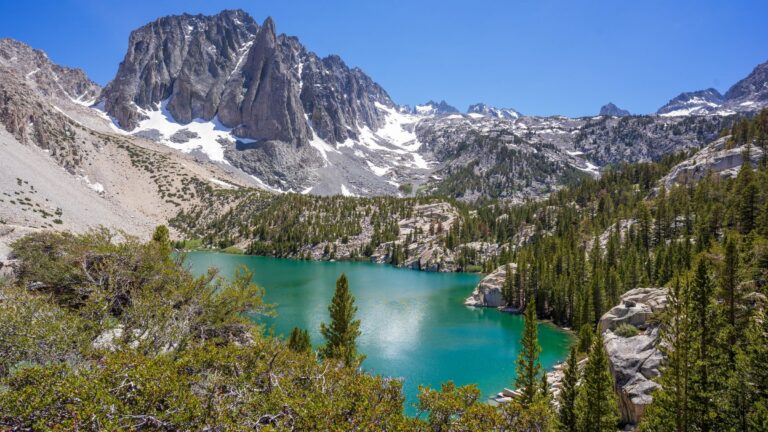
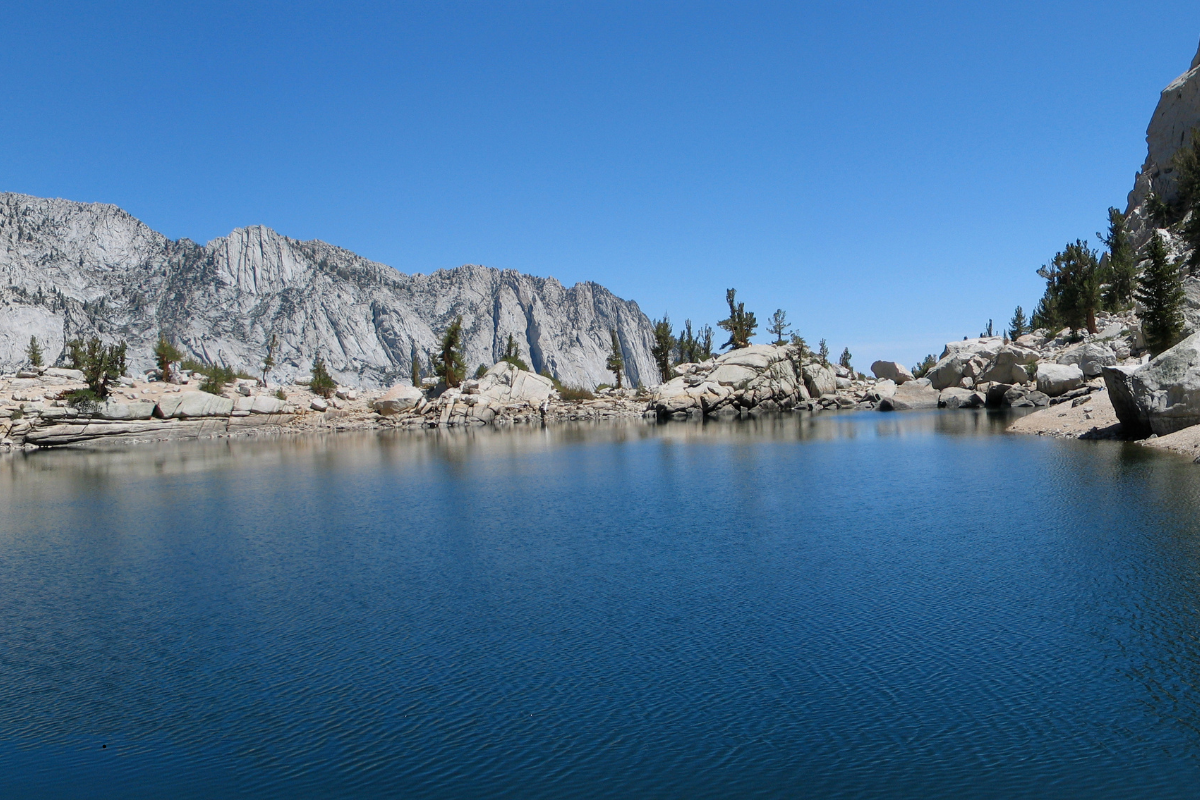
Lone Pine Lake is one of the most popular moderate hikes near Lone Pine and offers alpine scenery without requiring a Mount Whitney permit for day hiking. The trail climbs steadily from Whitney Portal through pine forest and granite terrain before reaching the lake beneath the Sierra crest.
Tuttle Creek Ashram (Moderate)
The Lone Pine Ashram trail climbs into the foothills west of town and offers sweeping views overlooking the Owens Valley, Alabama Hills, and surrounding desert landscapes. The route combines desert terrain, rocky hillsides, and historic structures connected to the area’s early spiritual retreat history.
Whitney Portal National Recreation Trail (Moderate)
The Whitney Portal National Recreation Trail provides access to several Sierra Nevada hiking routes near Whitney Portal. The trail passes through pine forest, creeks, granite formations, and mountain scenery while connecting hikers to surrounding recreation areas near Mount Whitney.
Cottonwood Lakes (Moderate)
The Cottonwood Lakes trail system begins from Horseshoe Meadow and leads hikers into alpine lakes, meadows, pine forest, and high-elevation Sierra Nevada scenery. The area is popular for hiking, backpacking, fishing, and acclimatization before longer Sierra trips.
Horseshoe Meadow Loop (Moderate)
Located above Lone Pine, Horseshoe Meadow offers scenic hiking routes through alpine meadows, lodgepole pine forest, and open Sierra terrain above 10,000 feet. Loop options throughout the meadow area provide shorter high-elevation hiking opportunities with expansive mountain views.
Mount Whitney Trail (Advanced)
Mount Whitney is the tallest peak in the contiguous United States and one of the most well-known hiking destinations in California. The Mount Whitney Trail is a strenuous high-altitude route requiring significant preparation, physical conditioning, and proper acclimatization. Permits are required for both day hiking and overnight trips.
Meysan Lakes Trail (Advanced)
Lower Boy Scout Lake is located along the Mountaineer’s Route on Mount Whitney and is a challenging route involving steep terrain, route finding, and exposure to changing mountain conditions. The trail attracts experienced hikers and climbers preparing for higher elevation objectives in the Sierra Nevada.
Alabama Hills Walks
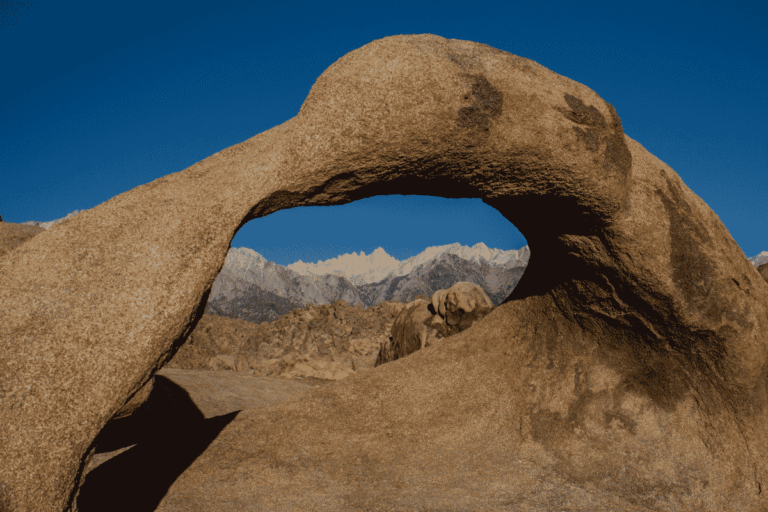
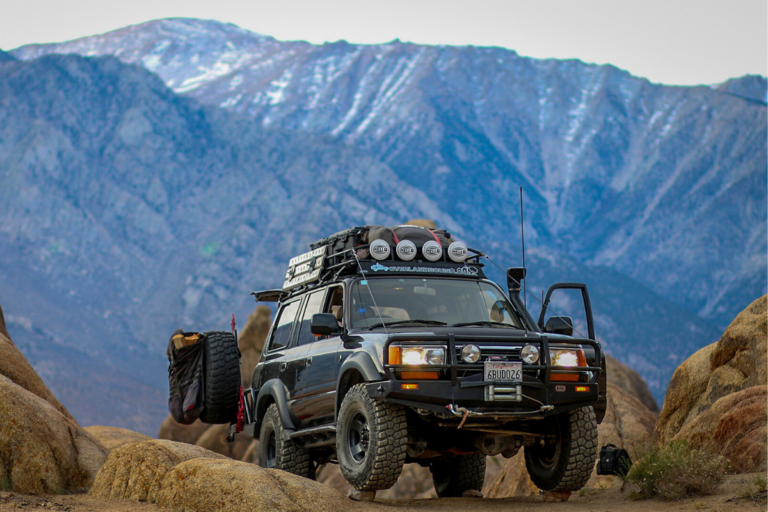
The Alabama Hills National Scenic Area offers a variety of short walks and easy hiking routes through arches, rock formations, desert trails, and movie history landscapes beneath the Sierra Nevada. Popular stops include Mobius Arch, Movie Road, and scenic overlooks throughout the area.
Know Before You Go
Many hikes near Lone Pine involve high elevation, steep terrain, heat exposure, or remote conditions. Visitors should know their limits, research current conditions, and choose routes appropriate for their experience and fitness level.
Weather, altitude, and trail conditions can change quickly throughout the Eastern Sierra. Visitors should carry adequate water, food, layers, navigation tools, and sun protection before beginning any hike.
This information is provided for general educational purposes only and should not be considered professional outdoor, medical, or safety advice.
Leave No Trace
Visitors are encouraged to practice Leave No Trace principles while hiking near Lone Pine and throughout the Eastern Sierra.
Stay on established trails whenever possible, pack out all trash, respect wildlife and cultural sites, and help protect the fragile desert and alpine environments surrounding the Owens Valley.