From colorful badlands and narrow marble canyons to towering sand dunes and hidden waterfalls, Death Valley National Park offers some of the most unique hiking experiences in California. Whether you are visiting for sunrise photography, short scenic walks, or longer desert adventures, the park features trails for a wide range of skill levels and interests.
Because temperatures and trail conditions can change quickly throughout the year, planning ahead is essential. Many of the best hikes in Death Valley are most enjoyable during fall, winter, and spring when temperatures are cooler and safer for outdoor recreation.
Here are five of the best hikes to explore during your visit to Death Valley National Park.
Golden Canyon & Red Cathedral Trail
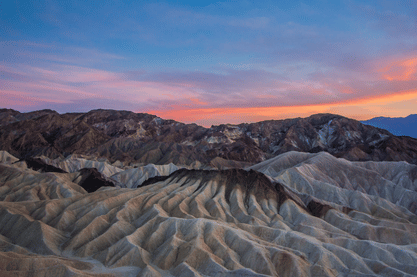
The Golden Canyon area is one of the most popular hiking destinations in Death Valley National Park, known for its dramatic canyon walls, layered rock formations, and colorful desert terrain.
The trail gradually climbs through golden badlands before reaching the striking red rock cliffs of Red Cathedral. This hike is especially popular during sunrise and late afternoon when changing light enhances the canyon colors and shadows.
Mosaic Canyon Trail
Mosaic Canyon offers one of the park’s most unique canyon hiking experiences.
Visitors can explore polished marble walls, narrow canyon passages, dry falls, and smooth rock formations shaped by years of flash flooding. Portions of the trail may require light scrambling depending on recent conditions.
This hike is a favorite for photographers and visitors looking for a shorter but memorable Death Valley adventure.
Mesquite Flat Sand Dunes
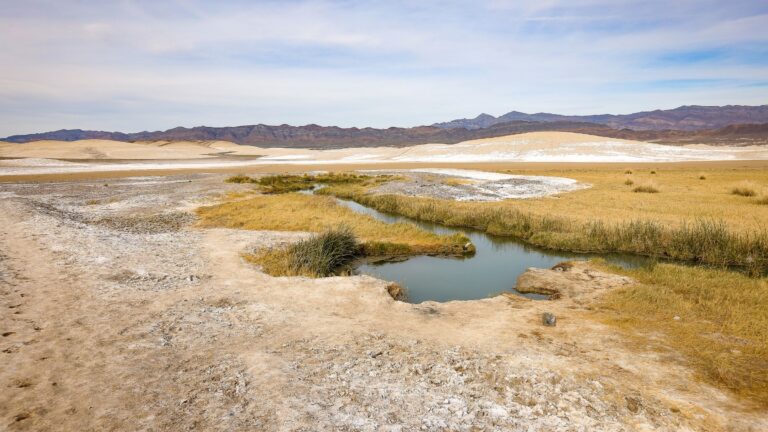
The Mesquite Flat Sand Dunes are among the most recognizable landscapes in Death Valley National Park.
Unlike traditional hiking trails, visitors are free to explore the dunes without a designated route. Early morning and sunset are the best times to visit, offering cooler temperatures and dramatic lighting across the sand.
Walking on sand can be more strenuous than expected, so carrying water and sun protection is recommended.
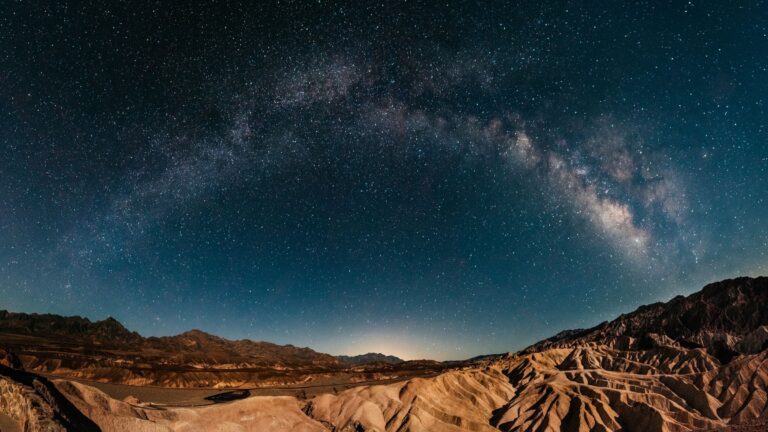
Badlands Loop at Zabriskie Point
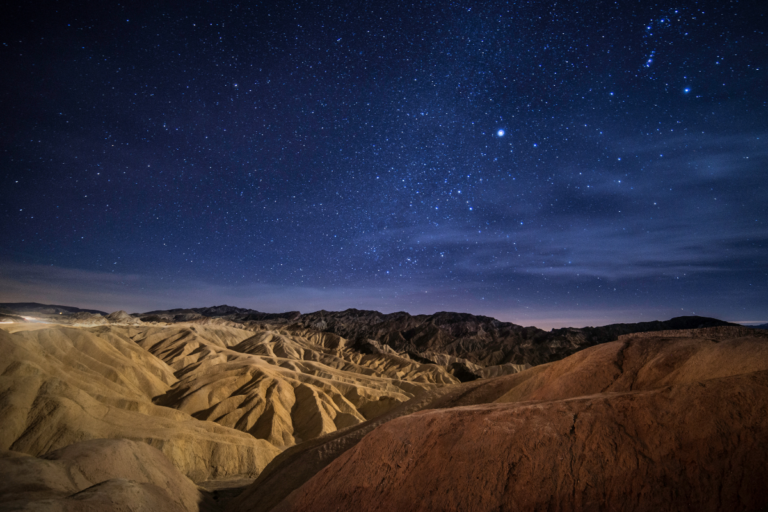
Zabriskie Point is one of the park’s most famous overlooks, but the nearby Badlands Loop Trail allows visitors to experience the landscape beyond the viewing platform.
The trail winds through rolling badlands, layered hills, and eroded desert terrain that showcase the park’s unique geology. Early morning is one of the best times to hike here due to cooler temperatures and excellent lighting for photography.
Darwin Falls Trail
Located near Panamint Springs on the western side of the park, Darwin Falls offers a surprising contrast to the surrounding desert landscape.
The trail follows a creek through a shaded canyon before reaching a year-round waterfall surrounded by vegetation and rock walls. The hike is relatively short and family-friendly, making it one of the more accessible hikes in the park.
Tips for Hiking in Death Valley National Park
Death Valley National Park is one of the hottest and driest places on Earth. Visitors should always prepare carefully before heading onto trails.
Before hiking, remember to:
- Carry more water than you think you will need
- Start hikes early, especially during warmer months
- Wear sun protection and appropriate footwear
- Check current weather and trail conditions
- Be aware of flash flood risks in canyon areas
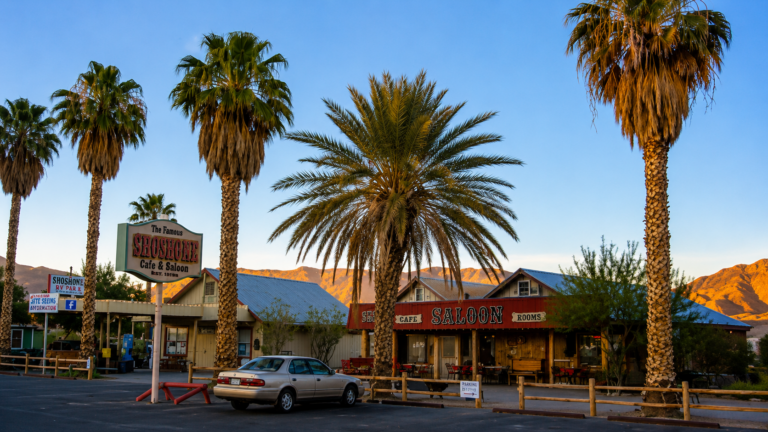
- Fuel up whenever possible, as services are limited
Visitors should also practice Leave No Trace principles and stay on established routes whenever possible to help protect the park’s fragile desert environment.