Explore Calfiornia’s Big Backyard
Surrounded by alpine lakes, desert landscapes, granite peaks, and endless public land, Bishop serves as one of the Eastern Sierra’s best outdoor recreation basecamps.
Located along Highway 395 between Mammoth Lakes and Lone Pine, Bishop blends small-town culture, world-class climbing, fishing, hiking, camping, and road trip energy into one of California’s most beloved mountain towns.
Whether you are visiting for high country adventures, fly fishing, photography, climbing, or simply exploring the Owens Valley, these are some of the top things to do in Bishop.
1. Bishop Creek Canyon
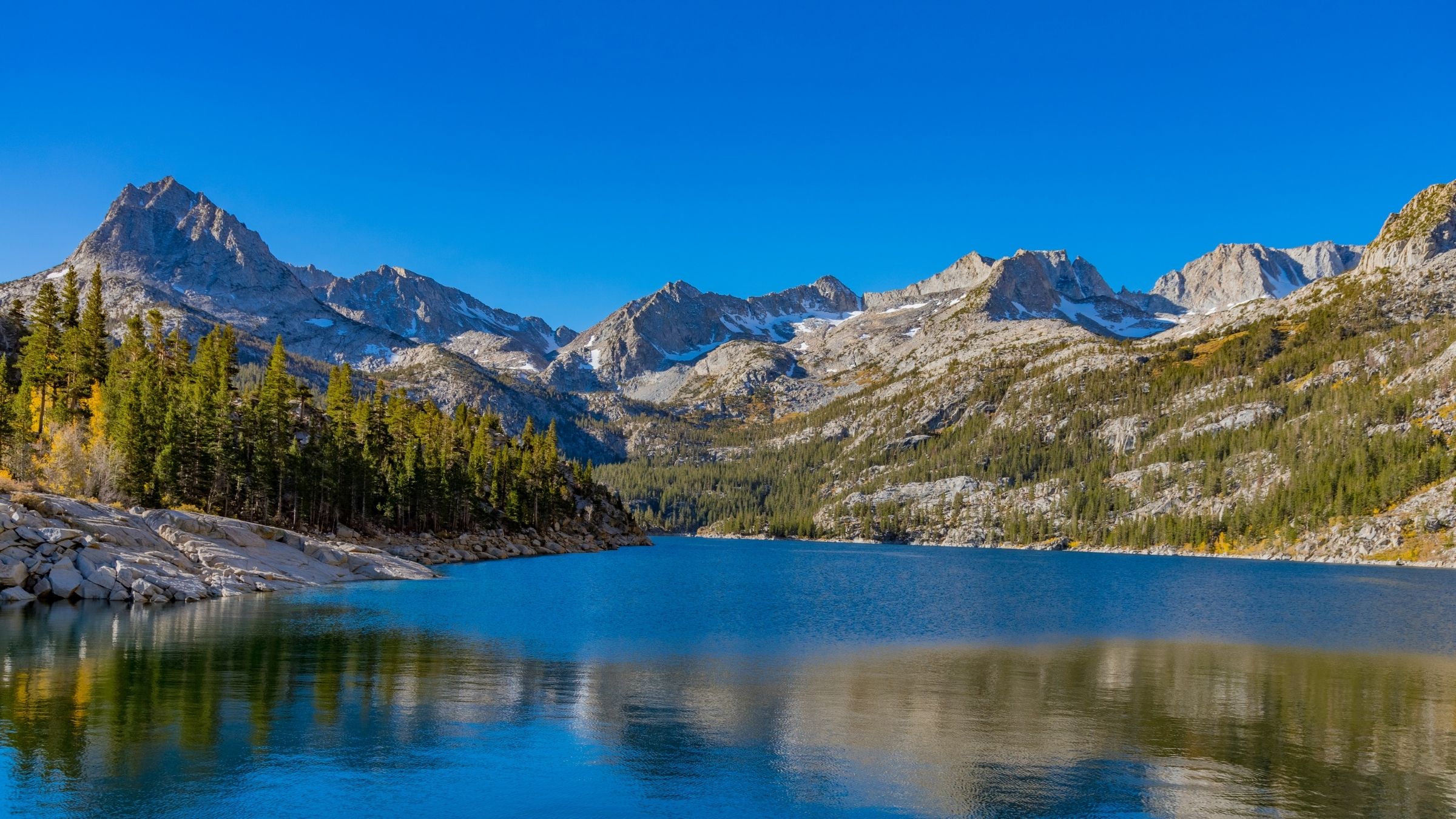
Home to alpine lakes, campgrounds, hiking trails, fishing, and some of the Eastern Sierra’s best fall colors, Bishop Creek Canyon remains one of the region’s most iconic high country destinations.
The scenic mountain road climbs into forests, granite peaks, and turquoise lakes including South Lake, North Lake, Sabrina Lake, and Intake Two.
During summer, the canyon becomes a major destination for hiking, camping, fishing, and escaping the heat of the Owens Valley floor.
2. The Buttermilks
Known around the world for massive granite boulders and sweeping Sierra views, the Buttermilks have become one of the most iconic climbing destinations in North America.
The area attracts climbers, campers, photographers, and outdoor travelers year-round thanks to its combination of world-class bouldering, open landscapes, and dramatic mountain scenery.
Even for non-climbers, the landscape itself makes the Buttermilks worth exploring.
3. Volcanic Tablelands
Shaped by ancient volcanic activity, the Volcanic Tablelands offer dramatic desert terrain, climbing areas, petroglyph sites, and expansive views of the Eastern Sierra.
Located just north of Bishop, the area’s unique rock formations and open landscapes have made it popular for photography, hiking, off-road exploration, and climbing.
The Tablelands also hold important cultural significance connected to Indigenous history throughout the Owens Valley.
4. Owens River Fly Fishing
Flowing through the Owens Valley, the Owens River offers some of the most legendary fly fishing in the American West.
Anglers travel from around the world to fish its rivers, creeks, and surrounding waterways for wild trout beneath the Sierra crest and wide open desert skies.
The combination of accessible water, mountain scenery, and long fishing history continues making Bishop one of California’s premier fishing destinations.
5. Laws Railroad Museum
Located just outside Bishop, Laws Railroad Museum preserves the region’s railroad, mining, ranching, and frontier history through historic buildings, equipment, artifacts, and restored train cars.
The museum provides a deeper look into the people, industries, and transportation systems that helped shape the Owens Valley and Eastern Sierra.
Its open grounds and historic atmosphere make it one of the region’s most unique cultural stops.
6. Downtown Bishop
Downtown Bishop blends local restaurants, breweries, bakeries, coffee shops, gear stores, and small businesses into one of the Eastern Sierra’s most active mountain town centers.
Whether grabbing coffee before heading into the mountains, browsing outdoor gear shops, or stopping for barbecue and beer after a long day outside, downtown Bishop remains the social and cultural hub of the Owens Valley.
Visitors can also catch a movie at the Bishop Twin Theatre, one of the last classic small-town movie theaters along Highway 395 and still one of the cheapest and most enjoyable ways to spend an evening in the Eastern Sierra.
Plan Ahead for Your Visit
Bishop experiences major elevation changes between the Owens Valley floor and surrounding mountain recreation areas.
Summer temperatures can become hot at lower elevations, while nearby alpine terrain can experience rapidly changing weather throughout the year. Visitors should carry extra water, prepare for changing conditions, and check trail, campground, and road access before traveling.
Recreate Responsibly
Help protect the Eastern Sierra by staying on designated trails and roads, packing out all trash, respecting wildlife and cultural sites, and following Leave No Trace principles throughout the region.
Before your trip, check current weather, campground conditions, and trail information with local land management agencies.