A Powerful Chapter of American History Beneath the Eastern Sierra
Located along Highway 395 near Independence, Manzanar National Historic Site preserves one of the most important and difficult chapters in American history.
During World War II, more than 10,000 Japanese Americans were forcibly removed from their homes and incarcerated at Manzanar beneath the towering peaks of the Eastern Sierra. Families lost businesses, property, communities, and civil liberties while living behind barbed wire under armed guard in the Owens Valley desert.
Today, Manzanar serves as both a historical landmark and a place of remembrance, education, and reflection.
The Establishment of Manzanar
Following the attack on Pearl Harbor in 1941, the United States government authorized the forced relocation and incarceration of Japanese Americans living along the West Coast through Executive Order 9066.
Manzanar became one of ten major incarceration camps established throughout the United States during the war.
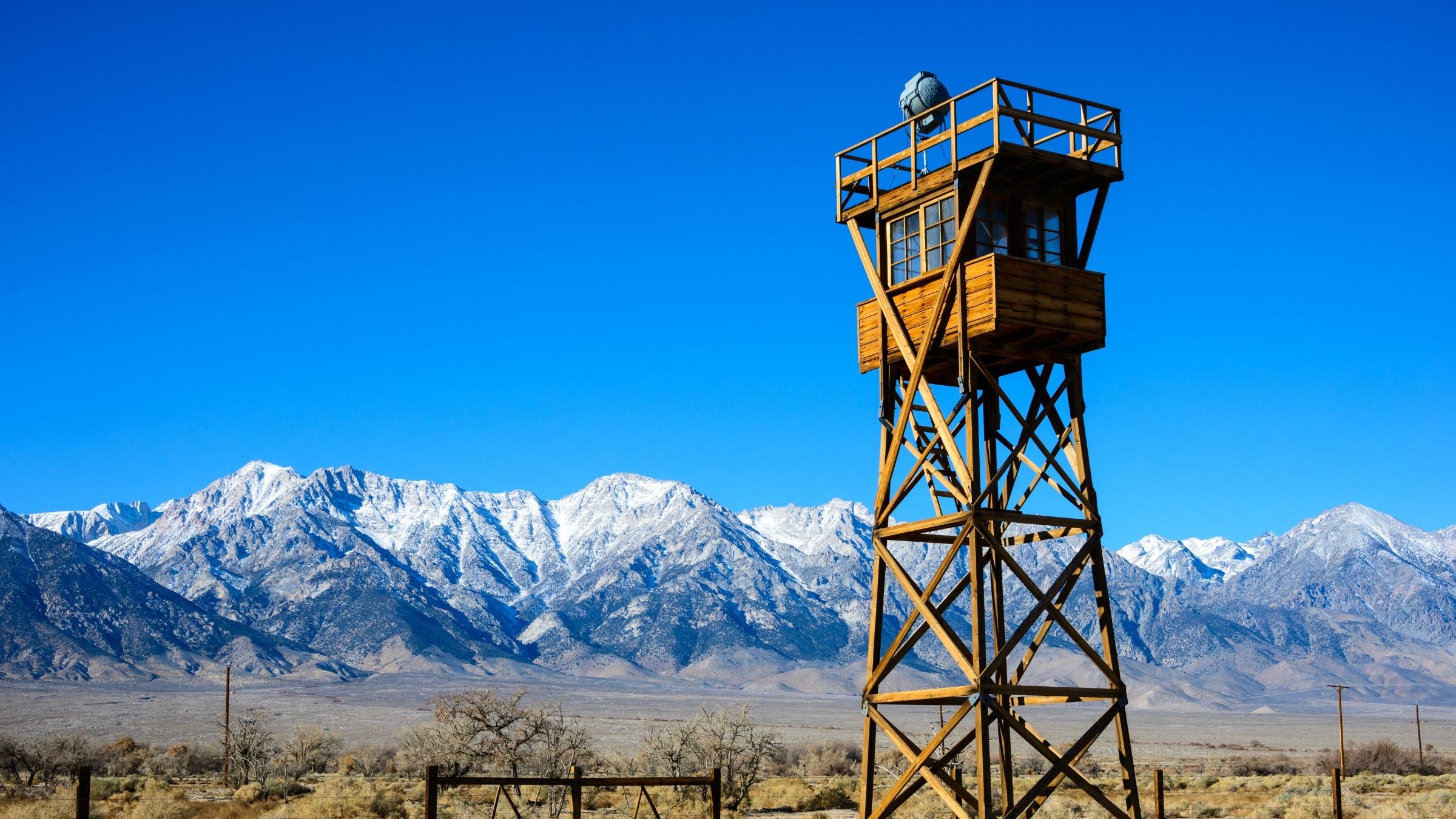
The remote Owens Valley location was selected in part because of its isolation, harsh climate, and existing federal land ownership. At its peak, the camp functioned as a small city containing barracks, schools, mess halls, gardens, hospitals, administrative buildings, and military guard towers.
Life Inside the Camp
Families at Manzanar lived in small military-style barracks exposed to extreme heat, cold, dust storms, and harsh desert conditions.
Despite these circumstances, many incarcerated individuals worked to build community within the camp by creating schools, newspapers, sports teams, gardens, churches, and cultural activities. Photographs, artwork, and oral histories from Manzanar continue documenting both the hardship and resilience experienced by those incarcerated there.
The surrounding Eastern Sierra landscape became an unforgettable part of daily life for many families held at the camp.
Manzanar National Historic Site Today
Today, Manzanar National Historic Site preserves the history and lessons connected to the incarceration of Japanese Americans during World War II.
Visitors can explore the visitor center, interpretive exhibits, restored barracks, gardens, cemetery monument, walking paths, and remnants of the original camp beneath the Sierra crest.
The site provides important historical context surrounding civil liberties, racism, wartime fear, and constitutional rights in the United States.
Annual Pilgrimage & Education
Each year, descendants, community members, educators, historians, and visitors gather at Manzanar for the annual Manzanar Pilgrimage.
The event honors those incarcerated at the camp while continuing conversations about justice, civil rights, remembrance, and preserving historical understanding for future generations.
Manzanar has become one of the most significant historical and educational destinations in the Eastern Sierra.
Visiting Manzanar
Manzanar National Historic Site is located approximately nine miles south of Independence along Highway 395 and is accessible year-round.
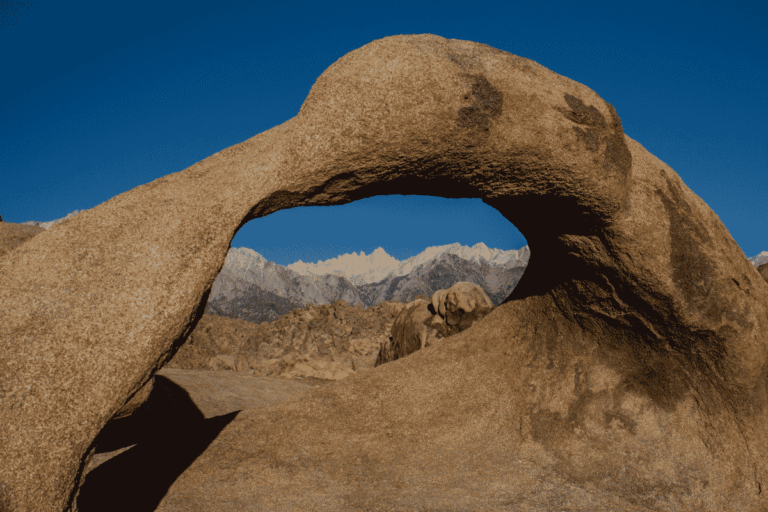
Many visitors combine a stop at Manzanar with exploring Independence, Lone Pine, the Alabama Hills, or other Eastern Sierra destinations along the Highway 395 corridor.
Visitors should allow time to fully experience the exhibits, walking trails, interpretive displays, and historical context throughout the site.
Recreate Responsibly
Manzanar is both a historic landmark and a place of remembrance. Visitors should treat the site with respect while staying on designated paths, preserving historic features, and helping maintain the quiet atmosphere surrounding the memorial grounds.
Before your trip, check current hours and visitor information with Manzanar National Historic Site and the National Park Service.