Explore the Gateway to the Eastern Sierra
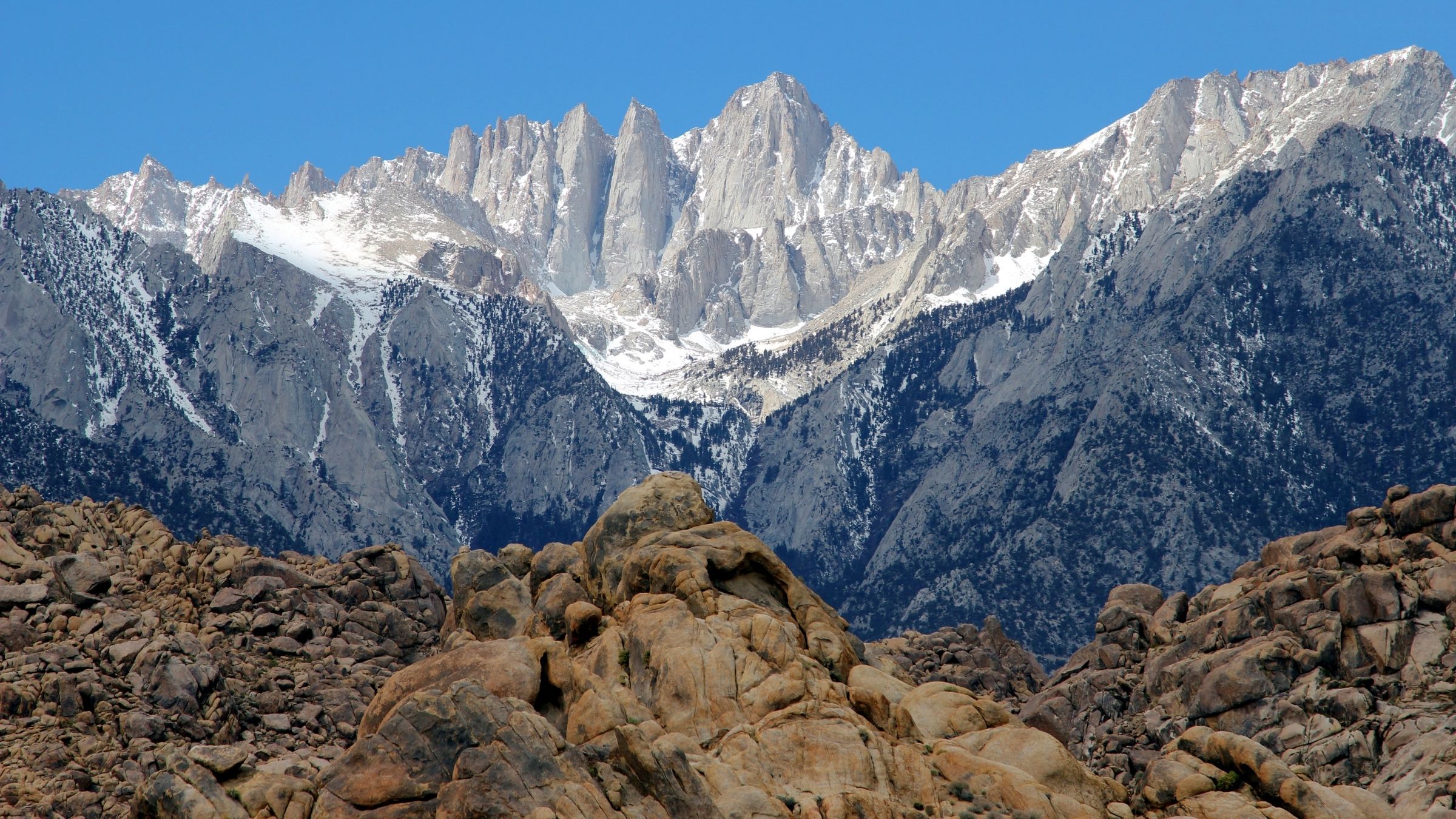
Framed by Mount Whitney, the Alabama Hills, and the dramatic landscapes of the Owens Valley, Lone Pine blends outdoor adventure, western film history, alpine recreation, and classic Highway 395 road trip culture into one of California’s most unique destinations.
Located along Highway 395 in the Eastern Sierra, Lone Pine serves as a gateway to mountain trailheads, high desert landscapes, scenic drives, climbing areas, lakes, campgrounds, and some of the most recognizable scenery in the American West.
Whether you are visiting for hiking, photography, climbing, film history, or a weekend road trip, these are some of the top things to do in Lone Pine.
1. Alabama Hills & Movie Road
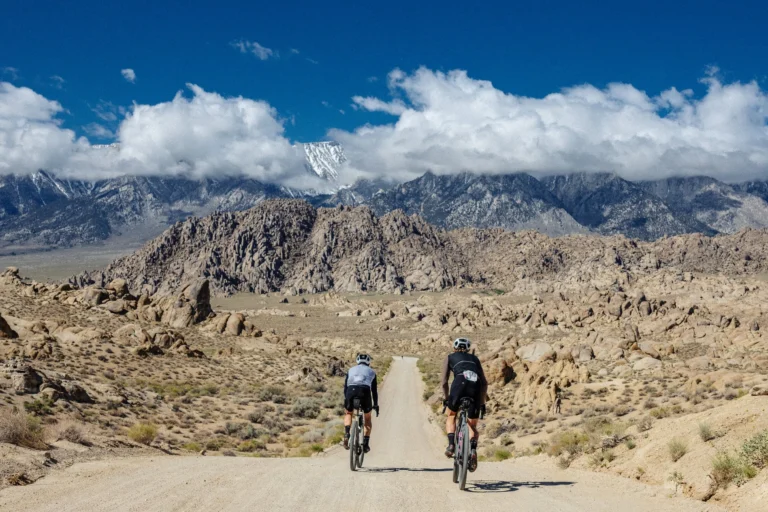
Located just outside town, the Alabama Hills feature rounded granite formations, desert roads, and dramatic views of Mount Whitney that create one of California’s most photographed landscapes.
The area has served as the filming location for countless westerns, commercials, and movies for more than a century. Visitors can explore Movie Road, photograph Mobius Arch, climb granite formations, or simply enjoy the scenery beneath the Sierra crest.
Summer mornings and evenings provide the best conditions during warmer months, while fall, winter, and spring are especially popular for hiking, climbing, camping, and photography.
2. Mt. Whitney Portal
Mt. Whitney Portal is the gateway to the tallest mountain in the lower 48 states and one of the region’s most popular recreation areas.
The scenic drive climbs from the Owens Valley into alpine forests surrounded by granite walls, waterfalls, and flowing creeks. The Portal Store has become a legendary stop for hikers thanks to oversized pancakes, burgers, fries, and the constant energy of Mount Whitney hikers preparing for their climb.
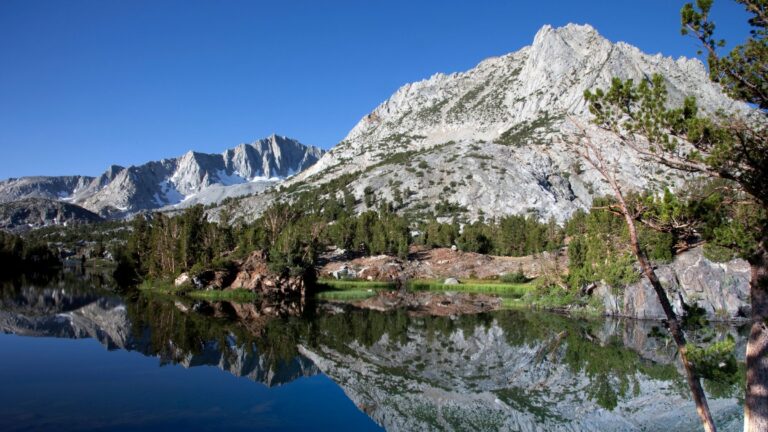
Visitors can also enjoy shorter hikes including Lone Pine Lake, while more experienced hikers may continue toward higher elevation lakes and backcountry routes.
3. Horseshoe Meadows
Located more than 10,000 feet above sea level, Horseshoe Meadows offers cooler summer temperatures, alpine scenery, and access to some of the Eastern Sierra’s most scenic wilderness terrain.
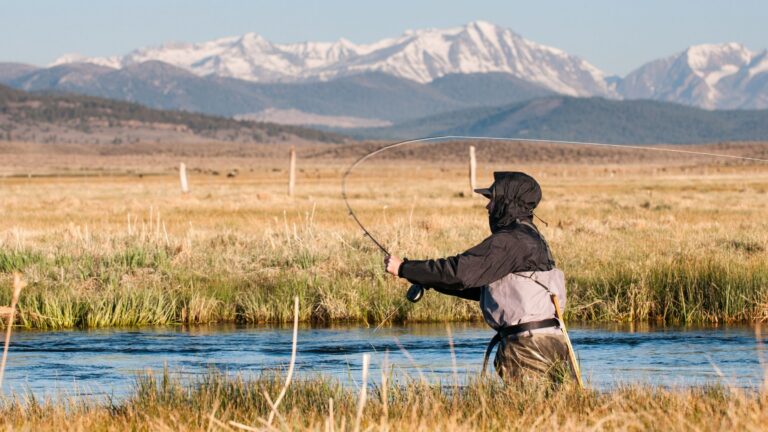
The area serves as a major trailhead for Cottonwood Lakes, Cottonwood Pass, and Mount Langley, making it popular for hiking, backpacking, fishing, horseback riding, and acclimation before higher elevation adventures.
Large meadows, pine forests, and mountain views create a completely different landscape from the desert valley below.
4. Cerro Gordo Ghost Town
Perched high above Owens Lake in the Inyo Mountains, Cerro Gordo is one of California’s most fascinating ghost towns.
Originally a booming silver mining town in the late 1800s, Cerro Gordo has gained new attention thanks to owner Brent Underwood, whose restoration efforts and YouTube storytelling have introduced the remote town to a new generation of travelers.
Visitors can explore historic buildings, learn about the region’s mining history, and experience sweeping views overlooking the Owens Valley.
5. Museum of Western Film History
Lone Pine’s Museum of Western Film History celebrates the region’s deep connection to Hollywood filmmaking and the American West.
The museum features movie props, costumes, photography, exhibits, and archives tied to the countless productions filmed throughout the Alabama Hills and Owens Valley over the last century.
For many visitors, the museum provides a deeper understanding of how Lone Pine became one of the most recognizable filming locations in western cinema.
6. Owens Lake
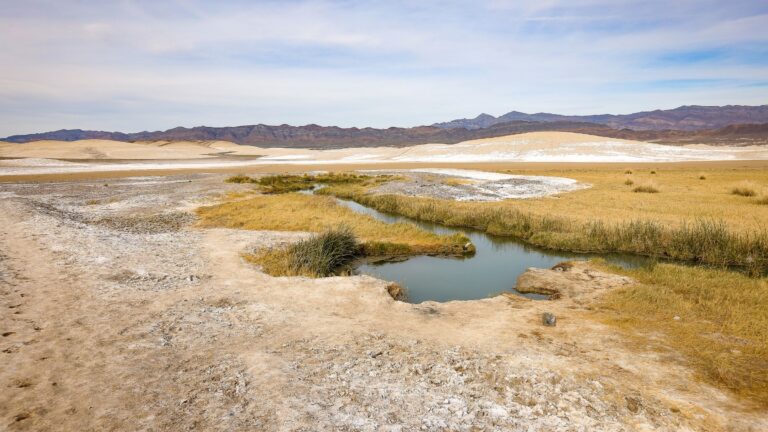
Owens Lake tells the complex story of water, restoration, mining history, migratory birds, and environmental change in the Owens Valley.
Today, the lakebed has become a unique landscape for birdwatching, photography, public art installations, and exploring one of the Eastern Sierra’s most important environmental stories.
Plan Ahead for Your Visit
Lone Pine experiences significant elevation changes between the valley floor and surrounding mountain recreation areas. Summer temperatures can become extremely hot at lower elevations, while high country weather can change quickly throughout the year.
Visitors should carry extra water, prepare for changing conditions, and check current weather, fire restrictions, and trail access before traveling.
Recreate Responsibly
Help protect the Eastern Sierra by staying on designated roads and trails, packing out all trash, respecting wildlife, and following Leave No Trace principles.
Before your trip, check current conditions with local land management agencies and recreation managers.